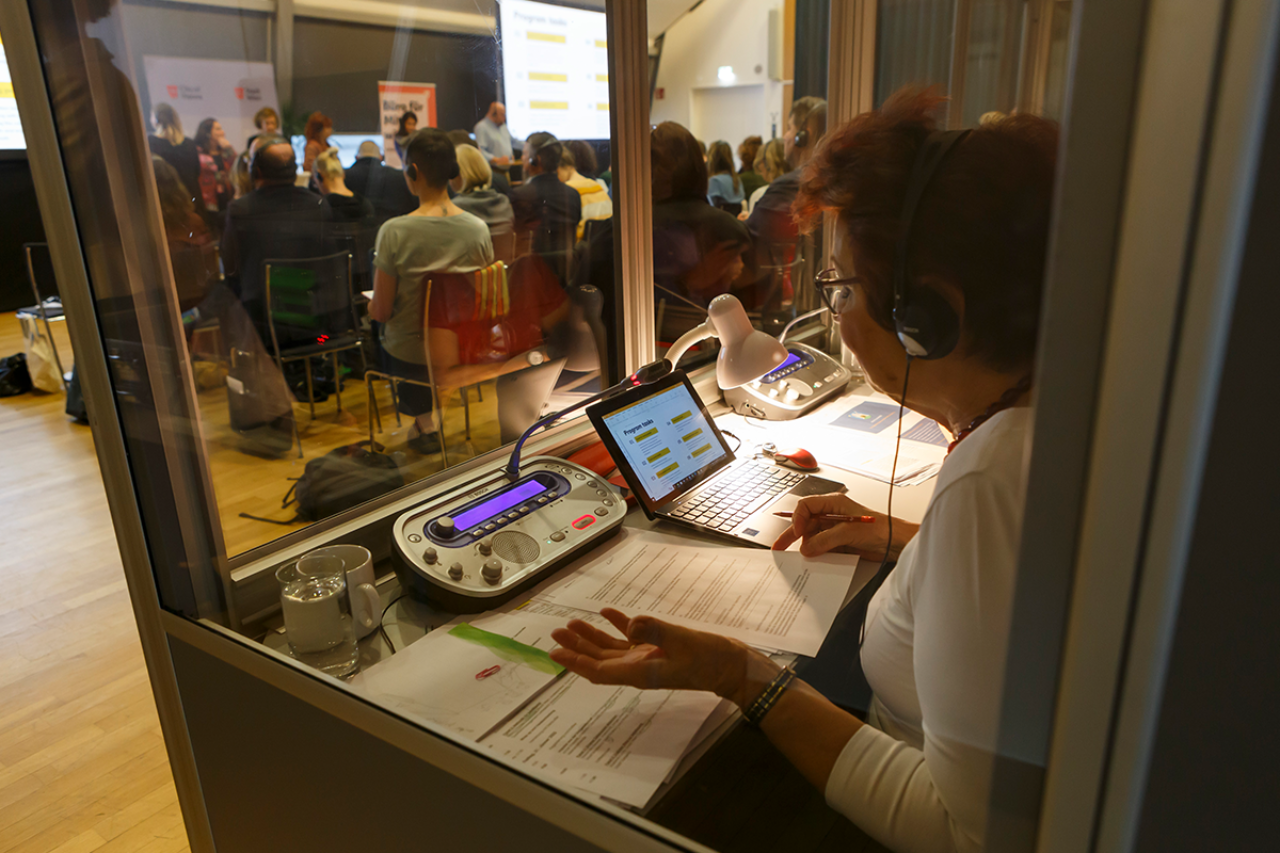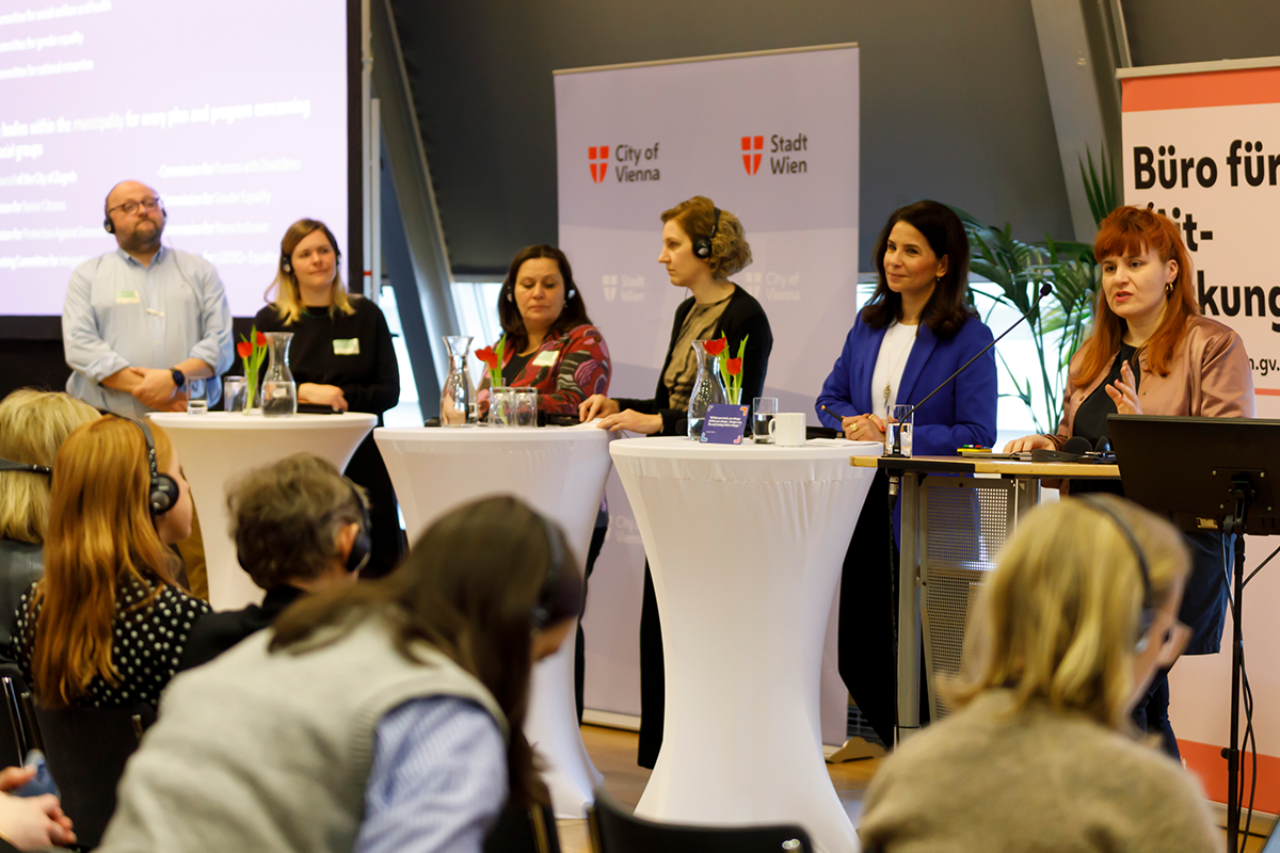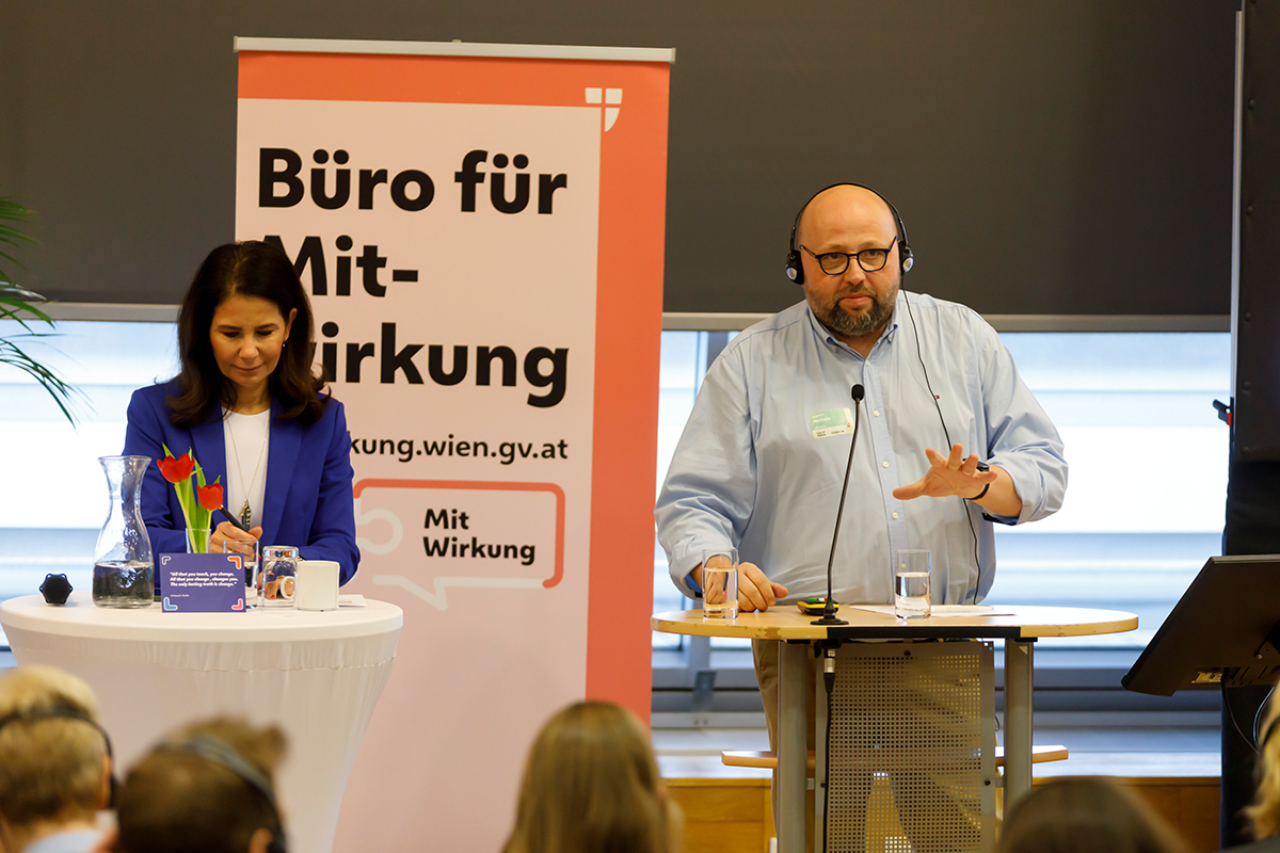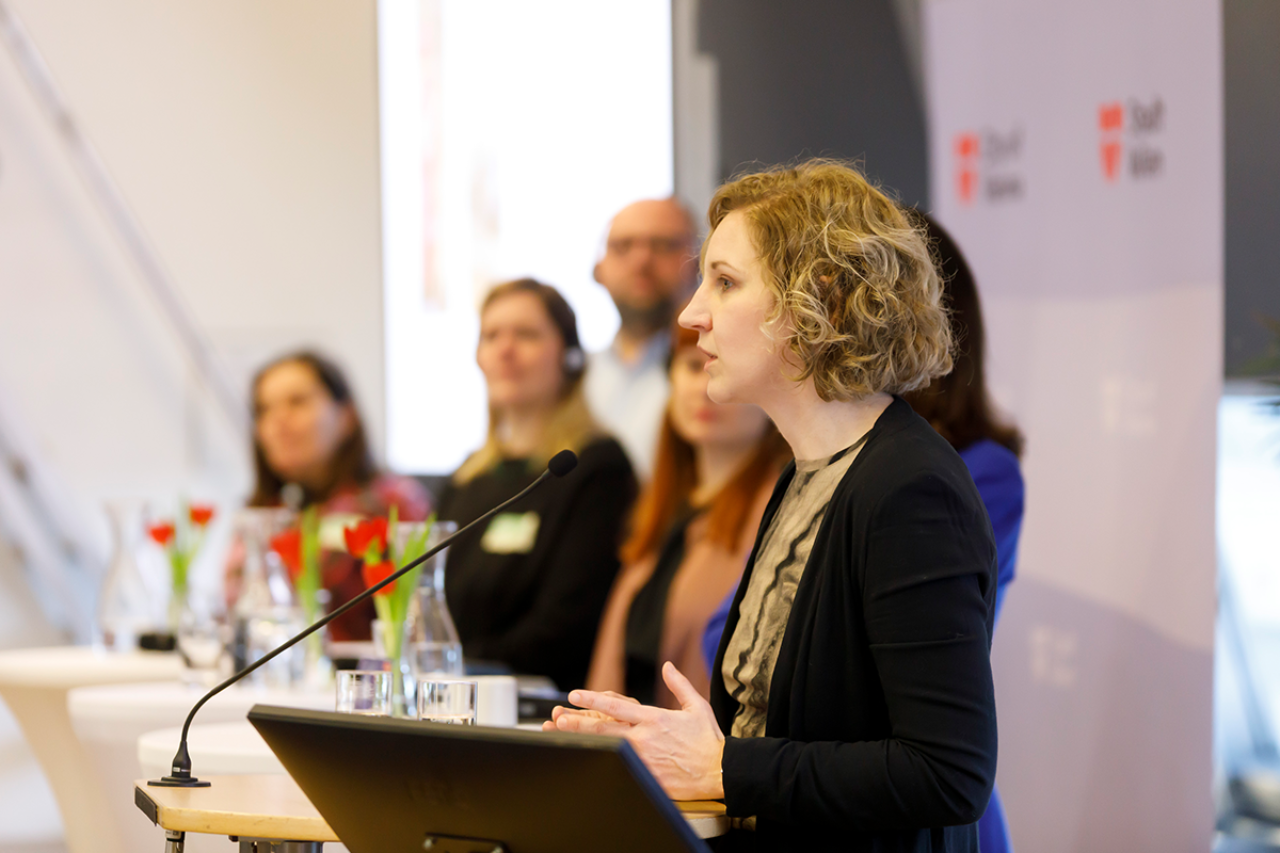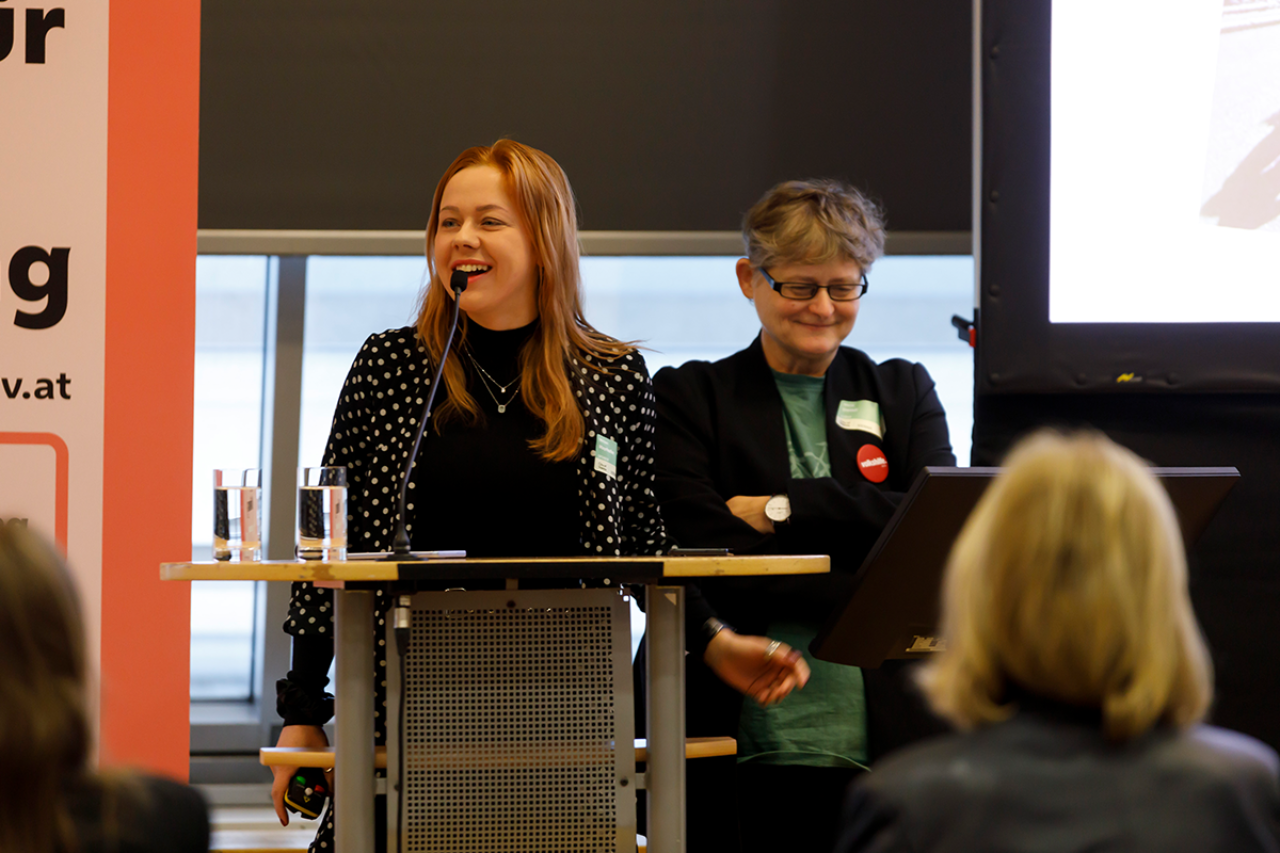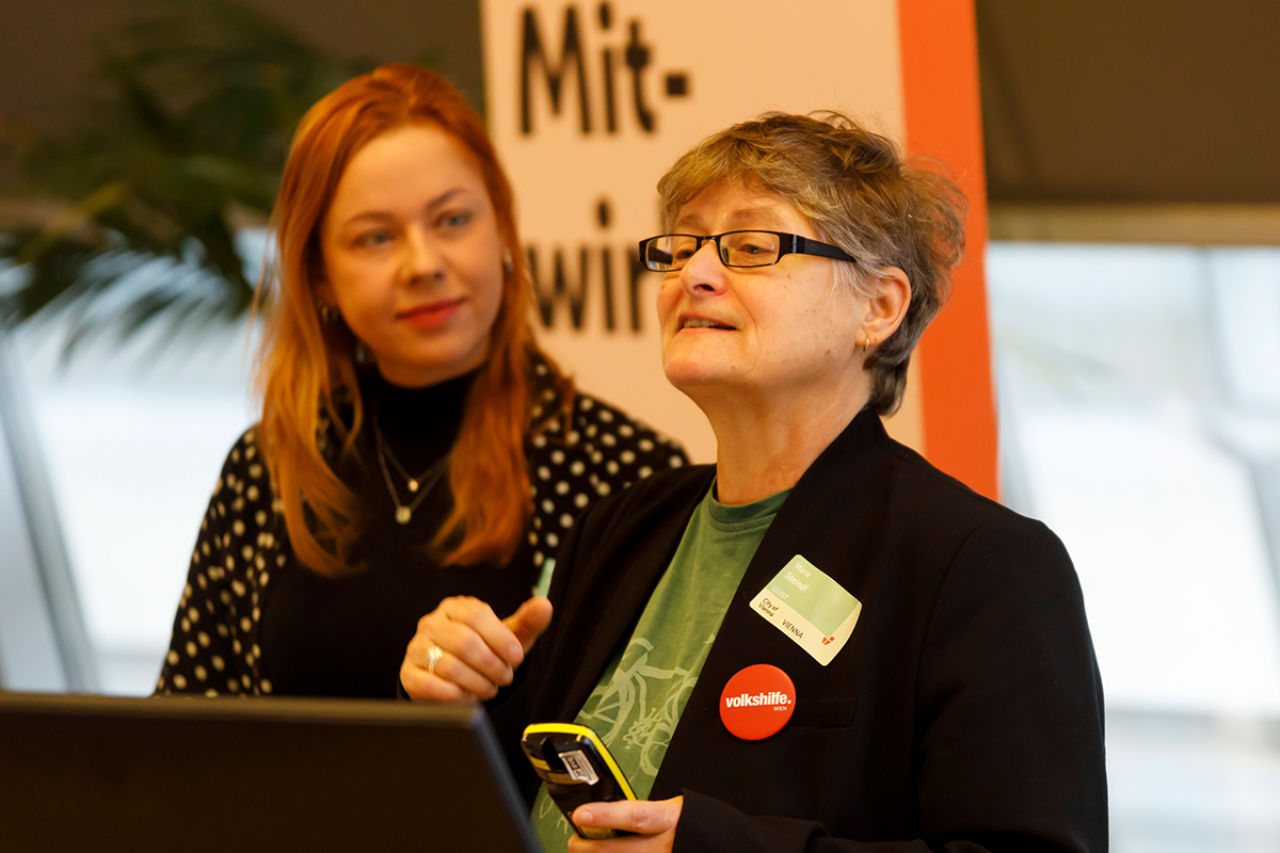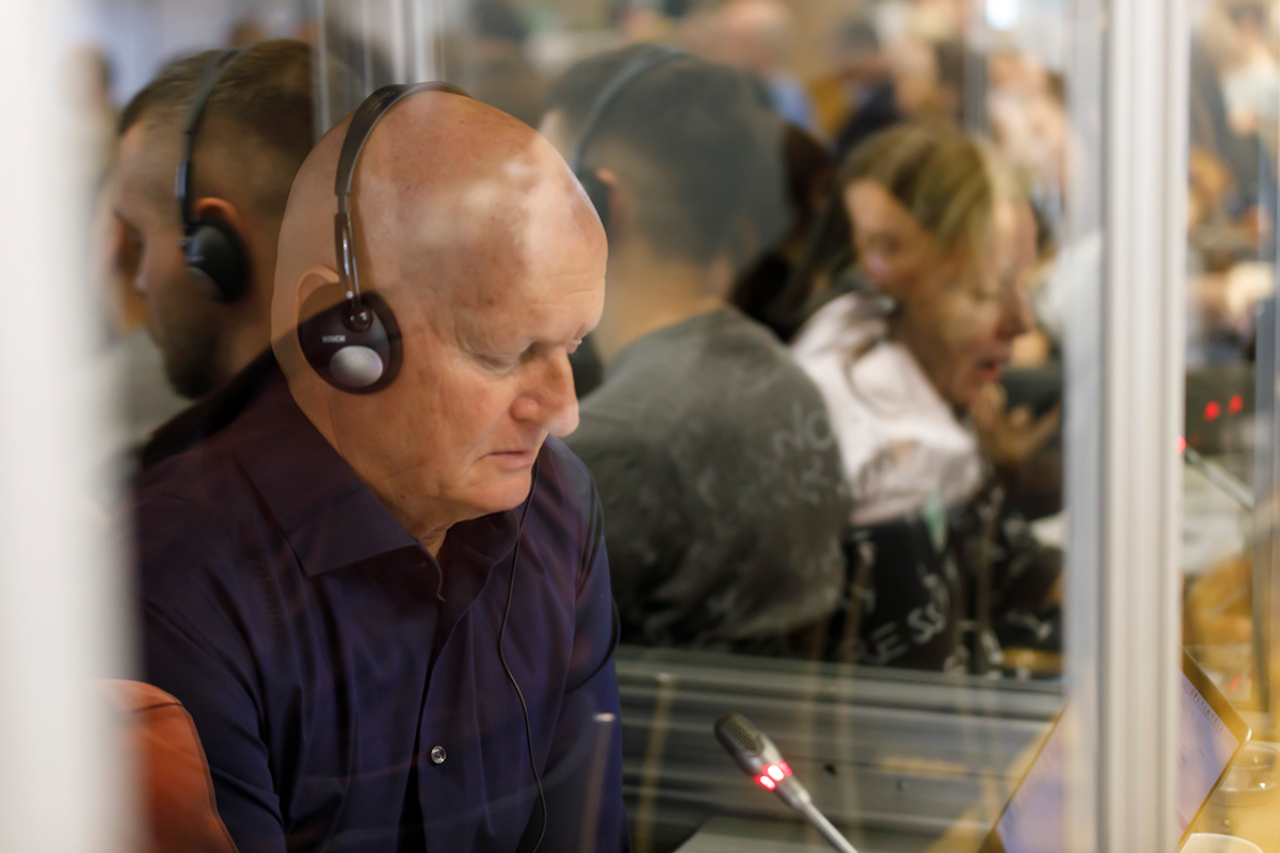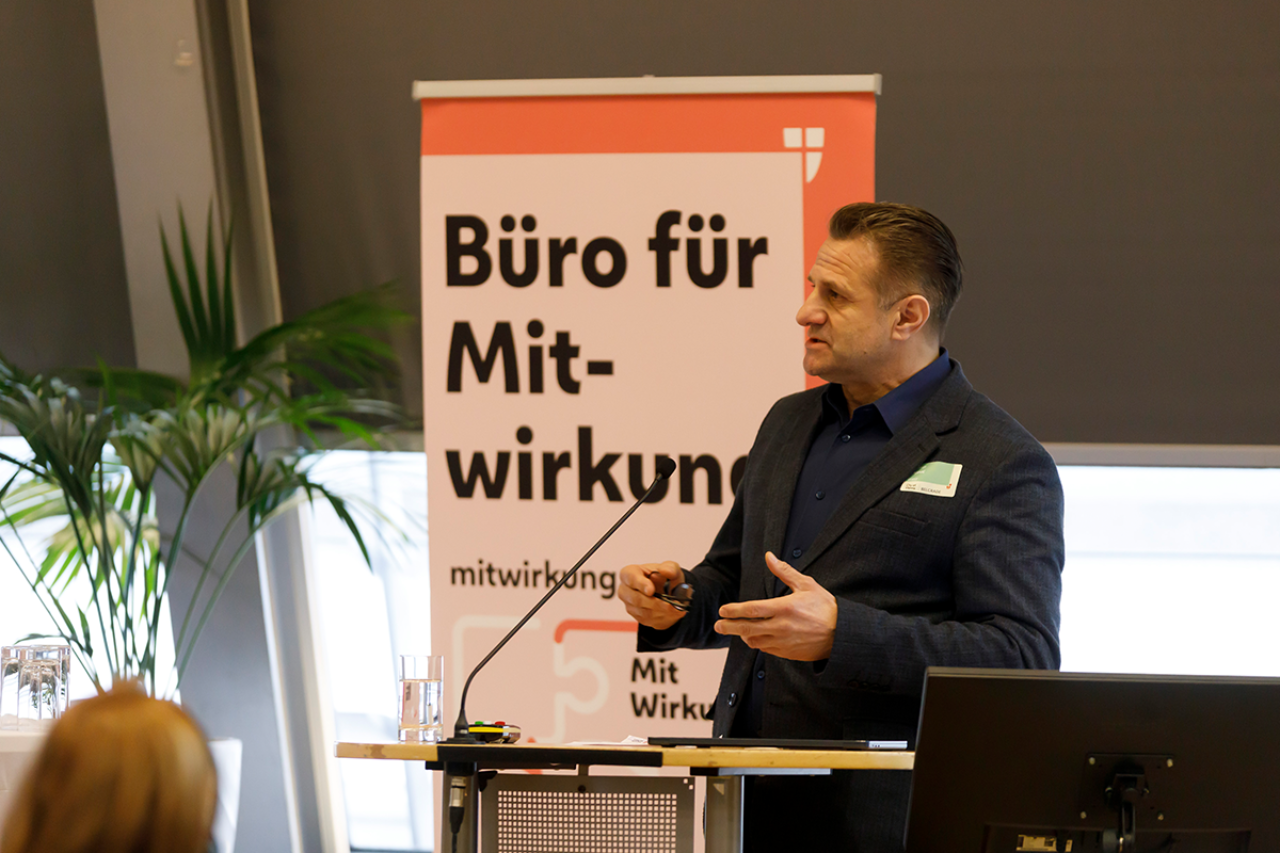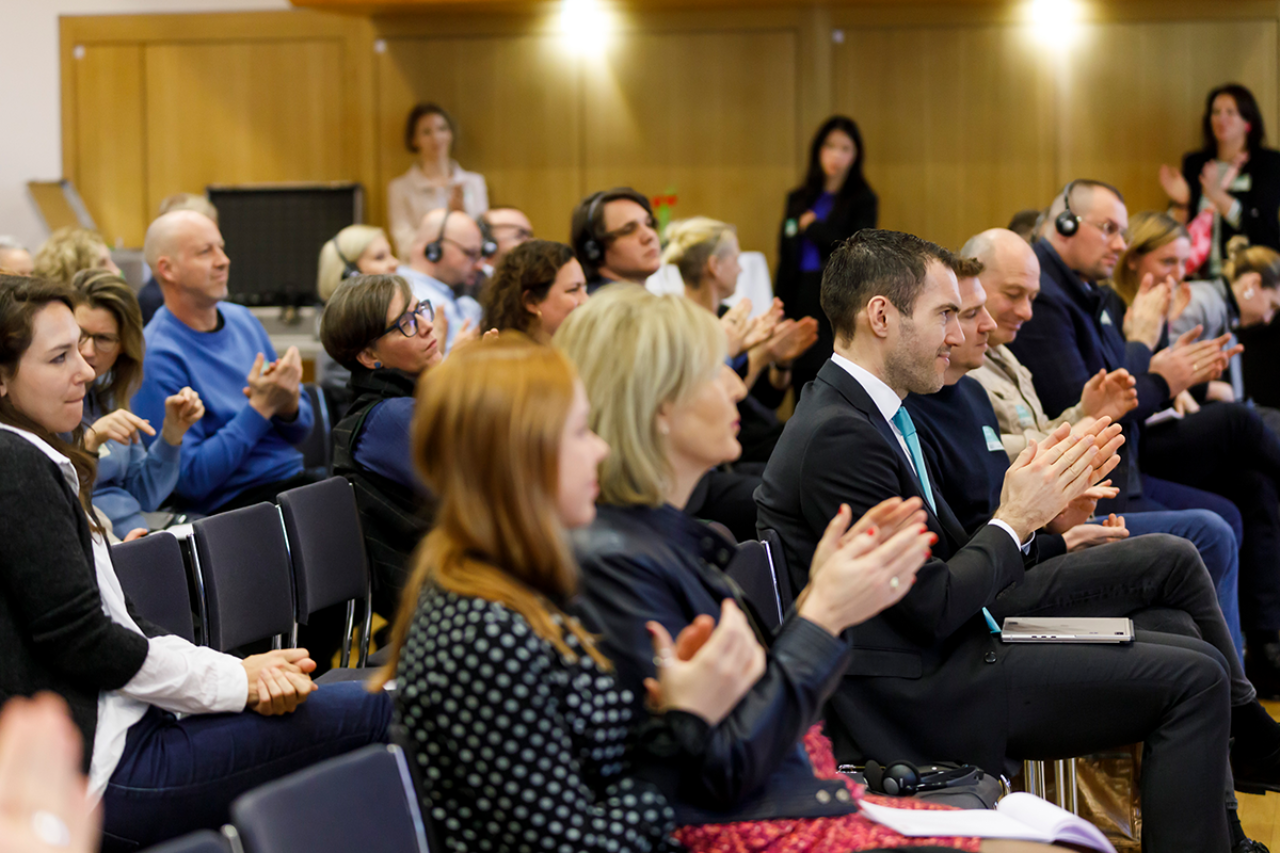
ECC "Shaping together: Democracy and participation in European cities"
30. - 31.1.2025


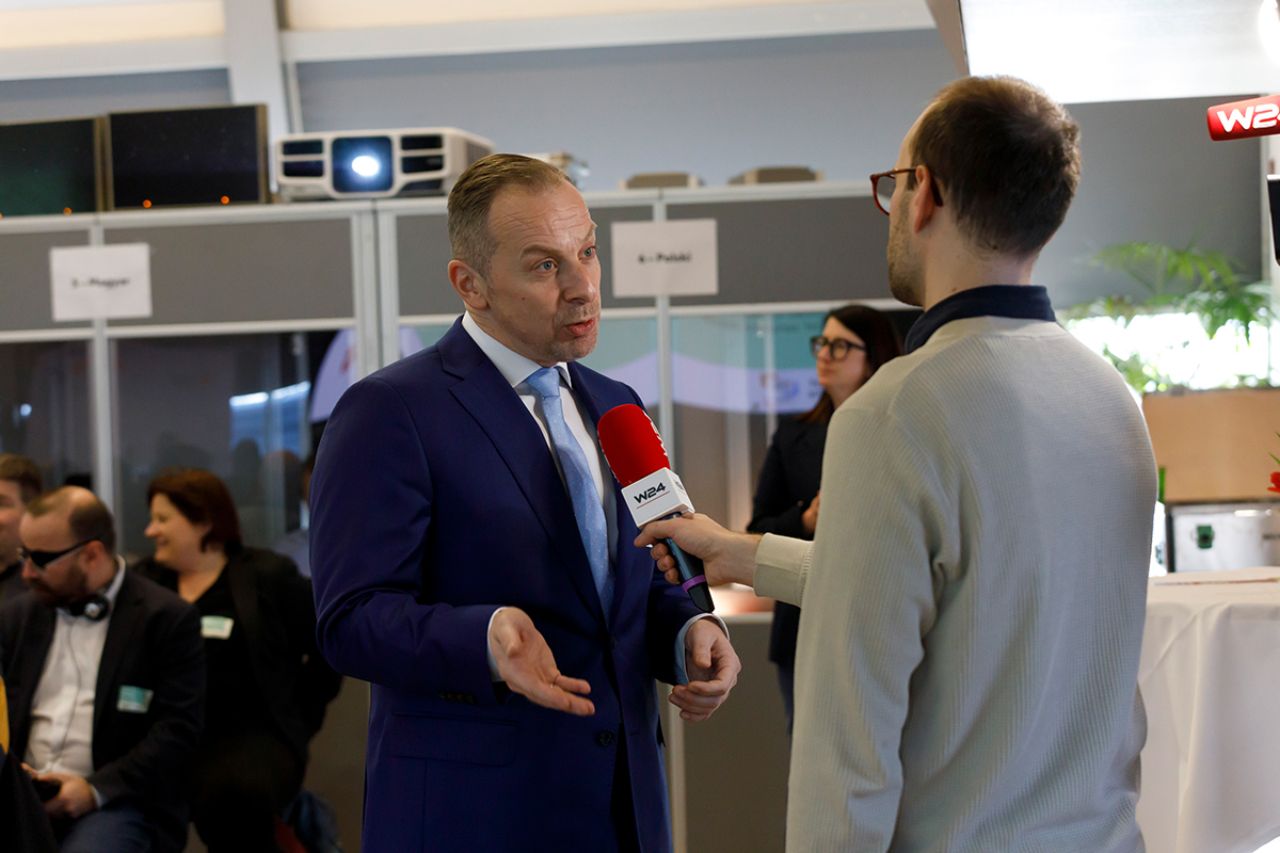
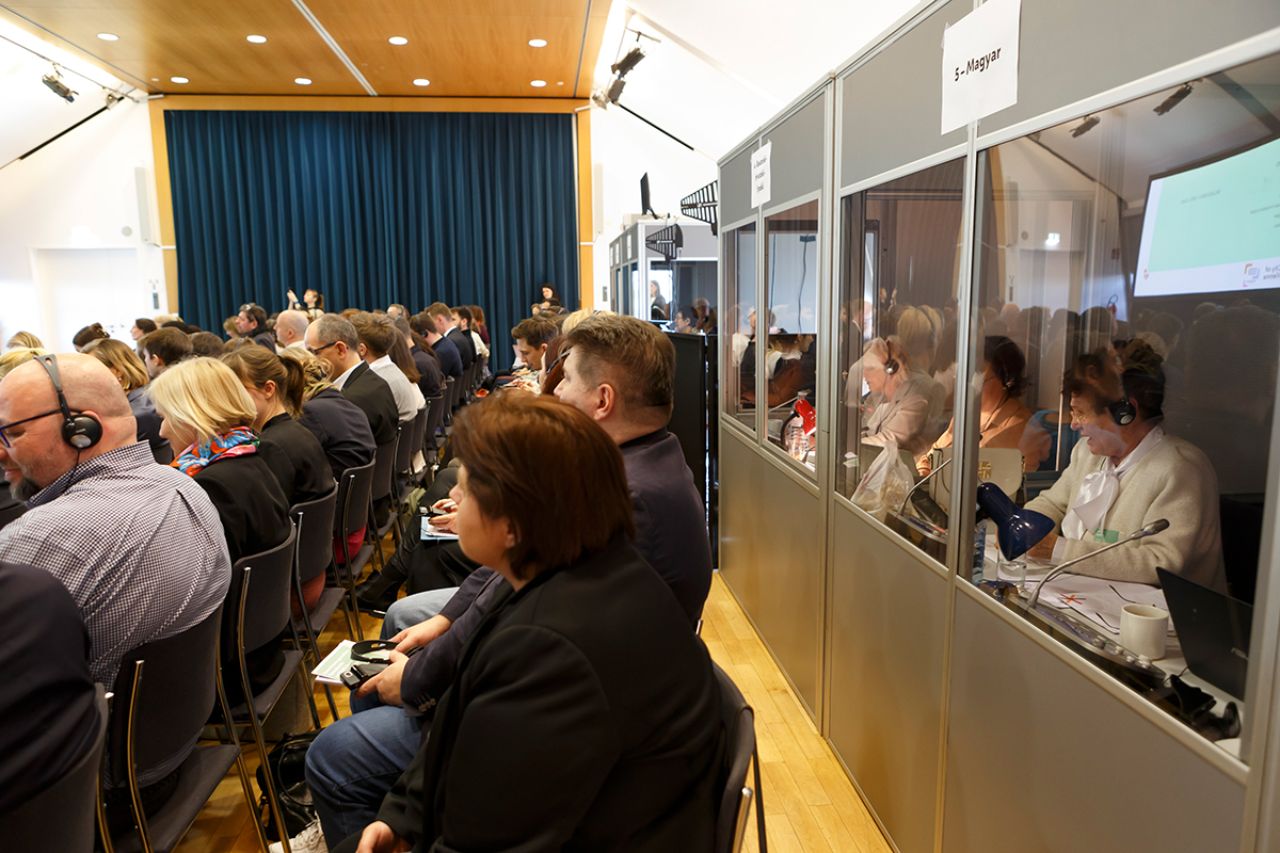
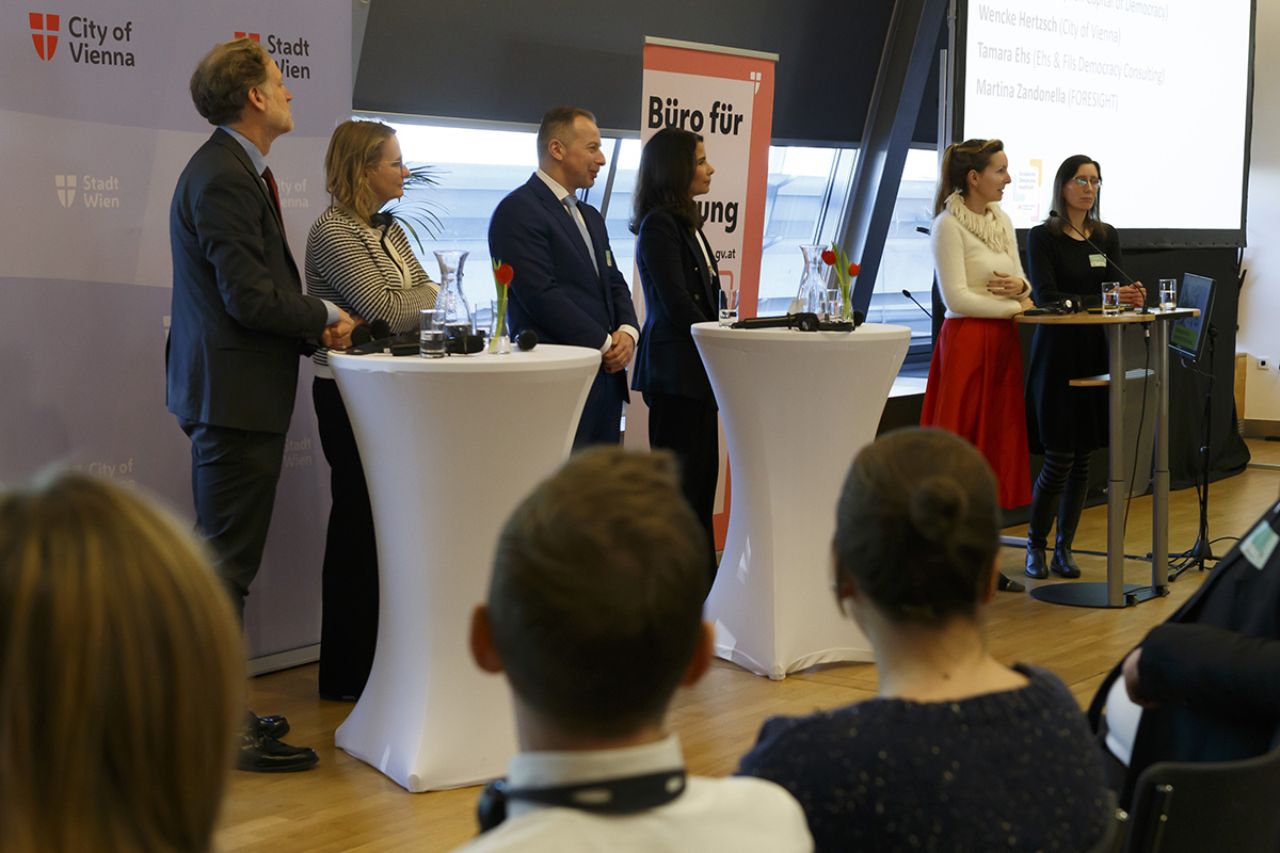
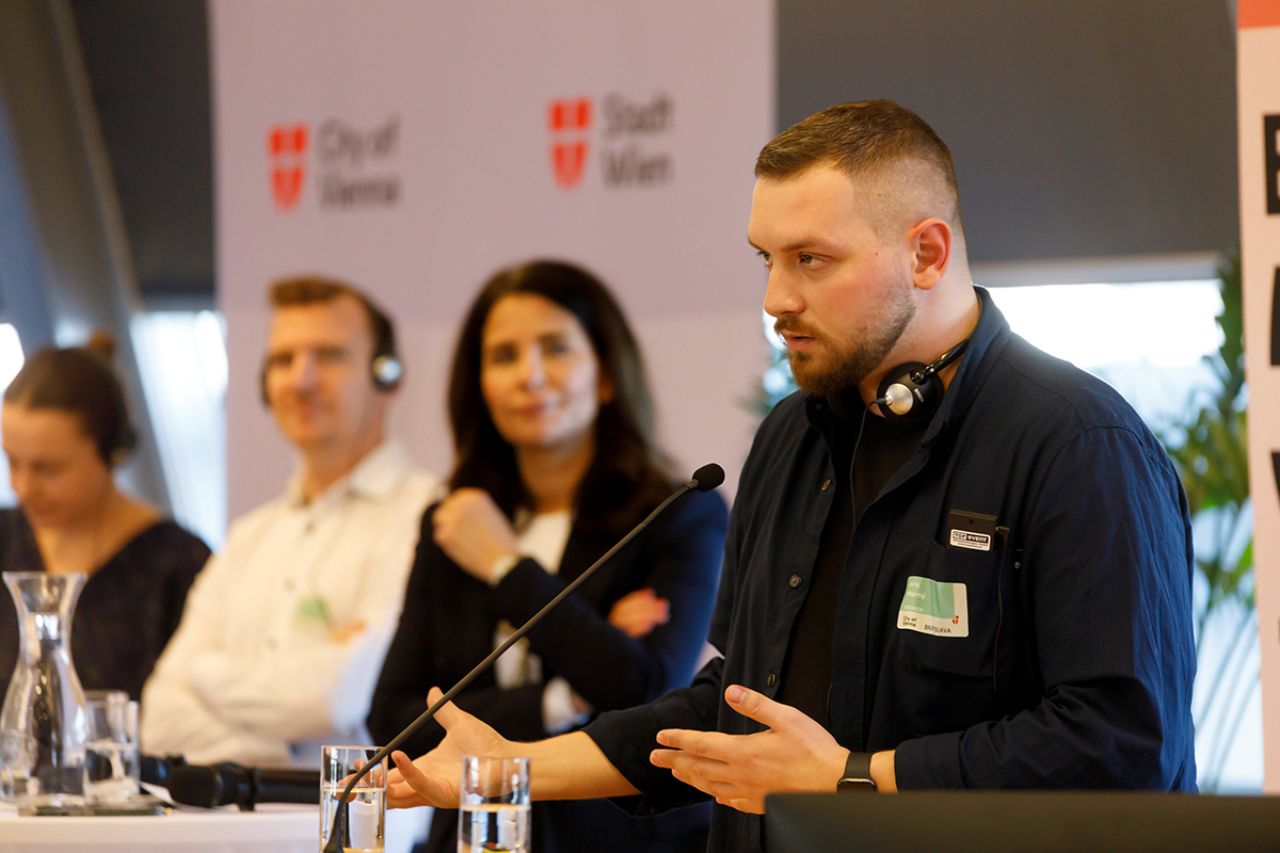
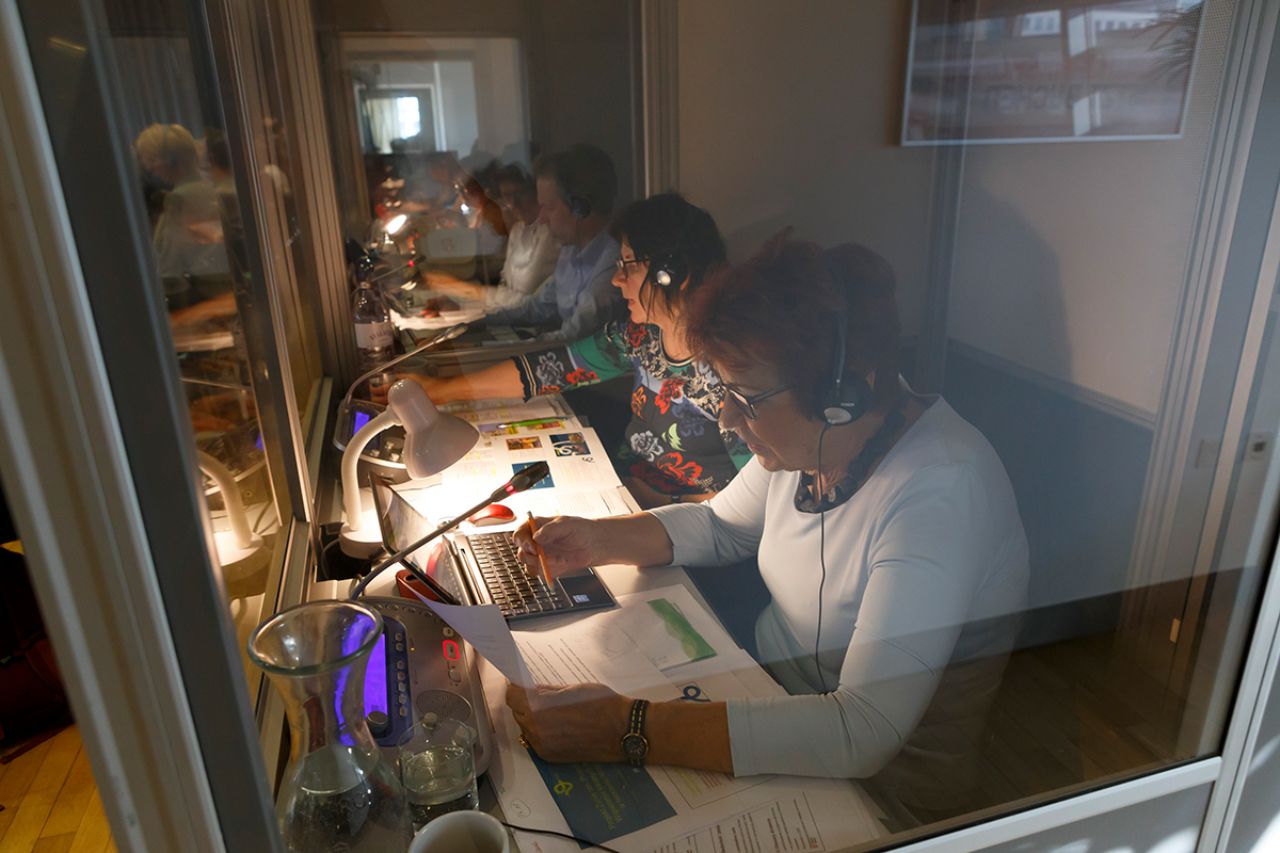
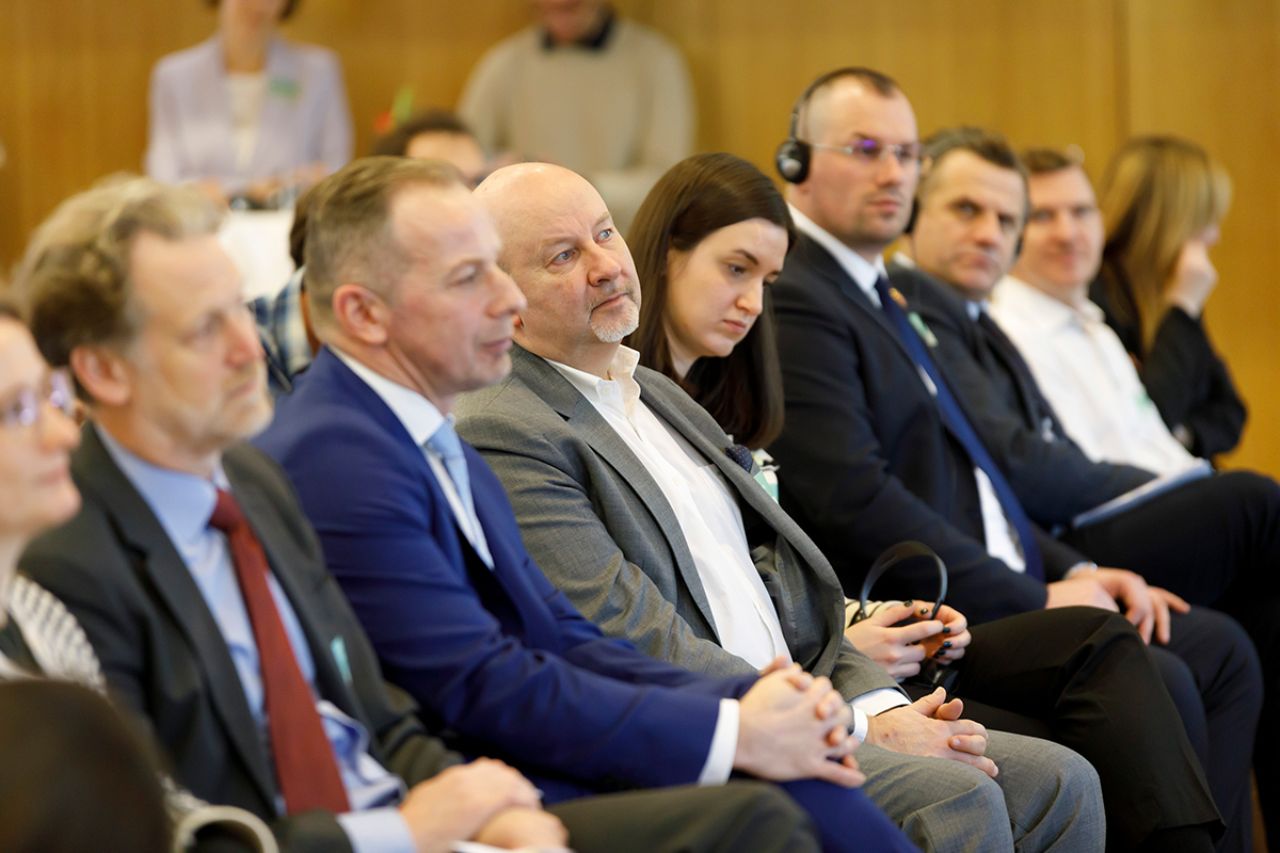
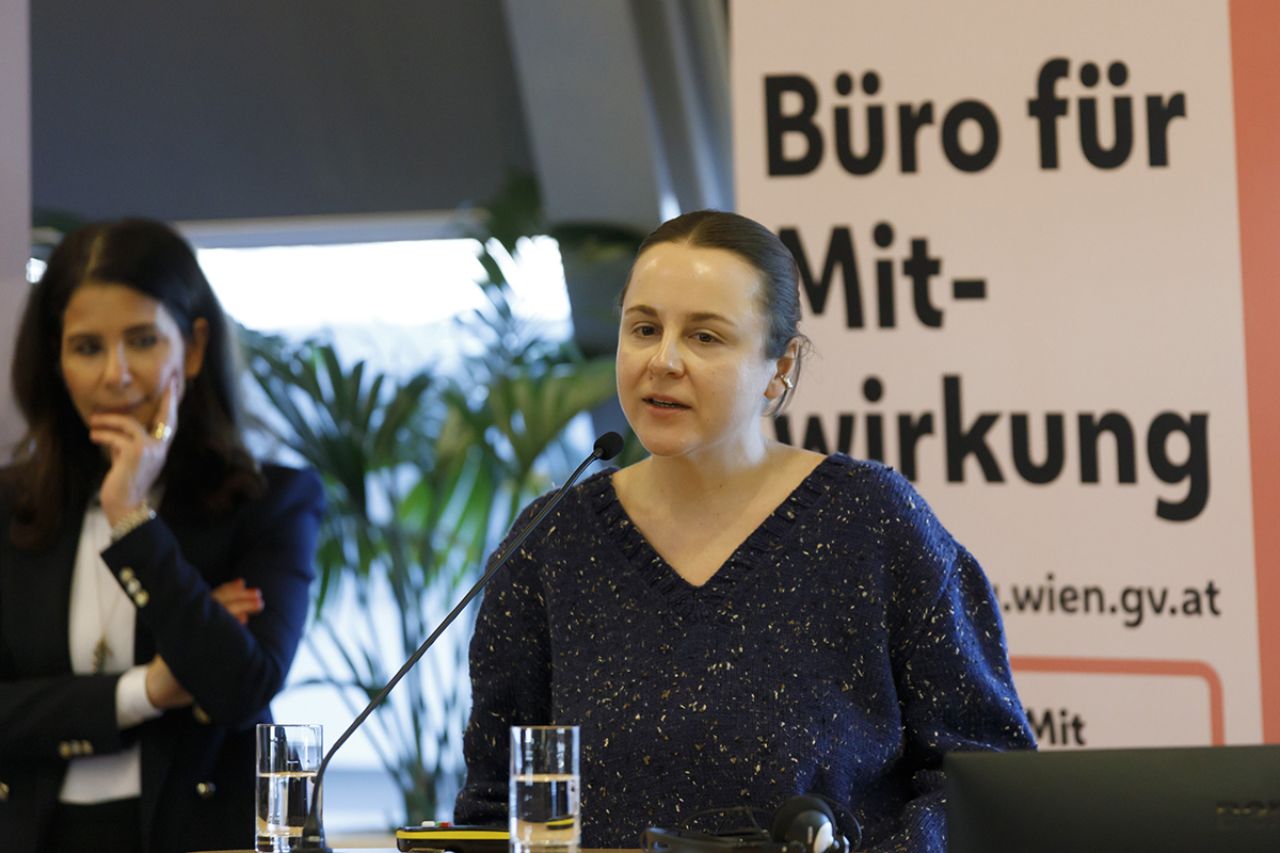
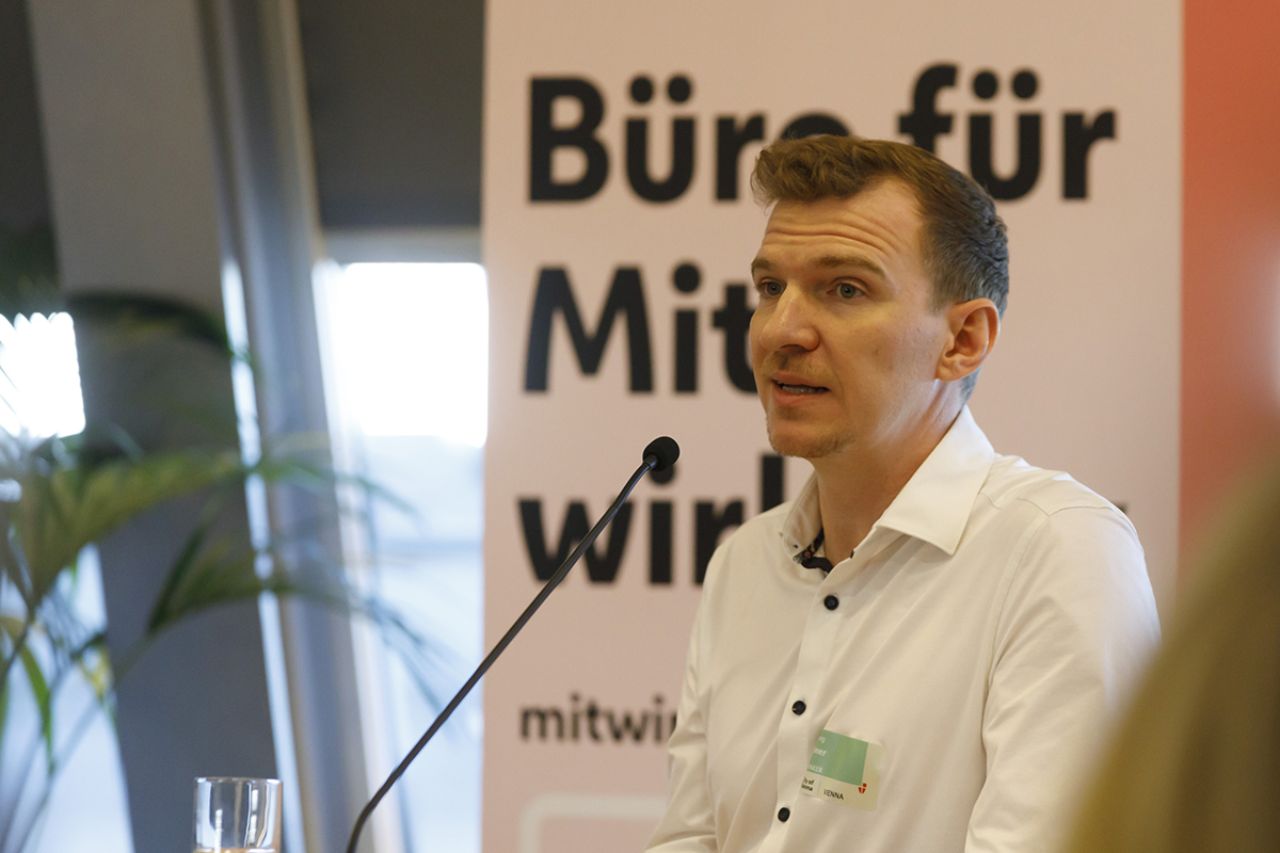
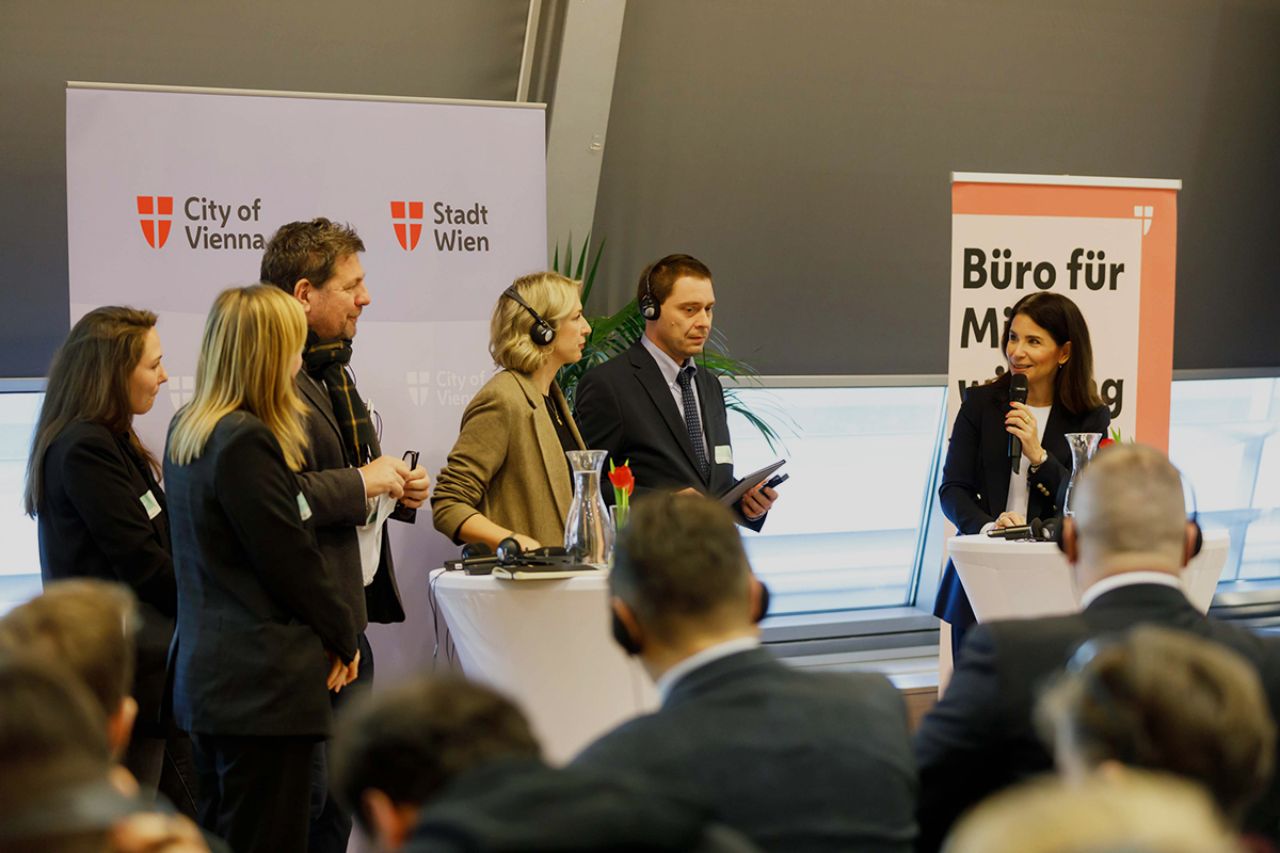
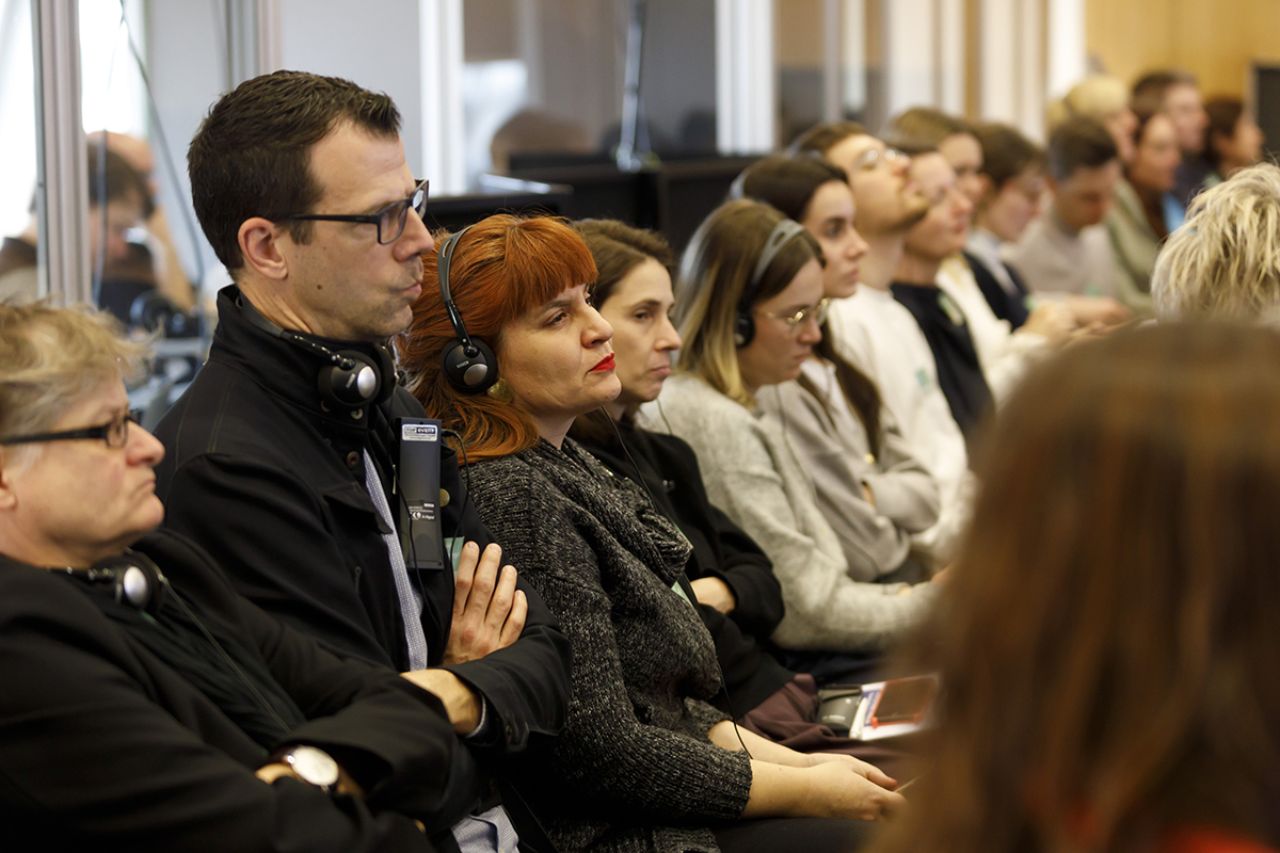
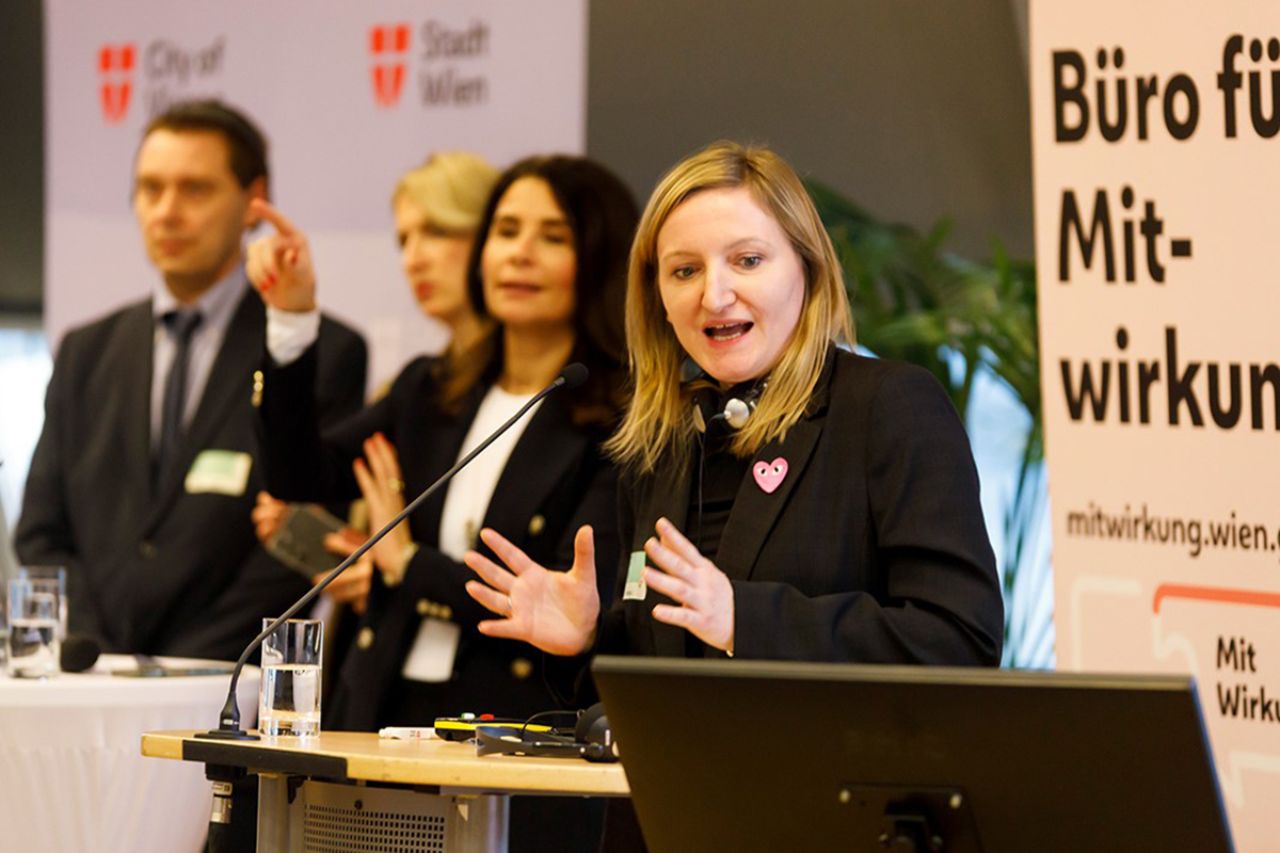
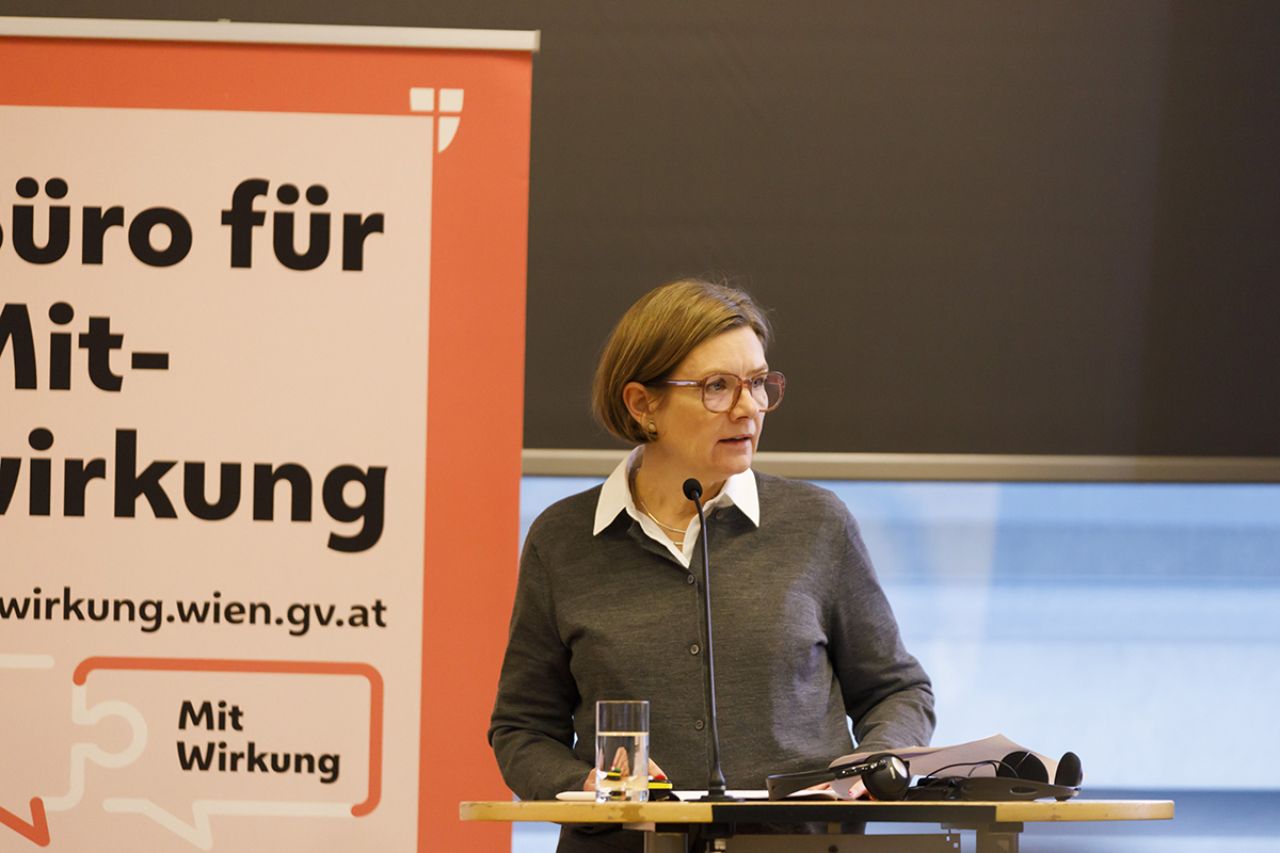
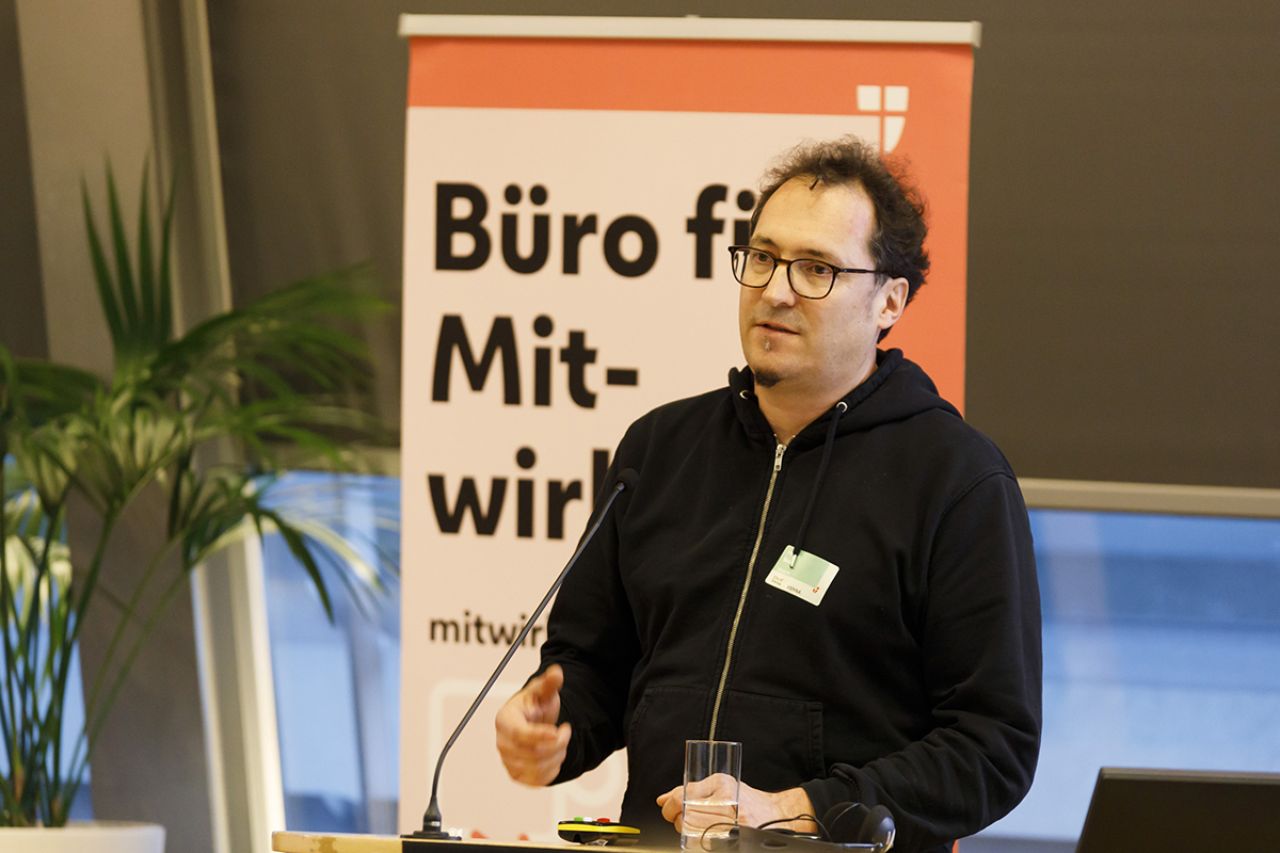
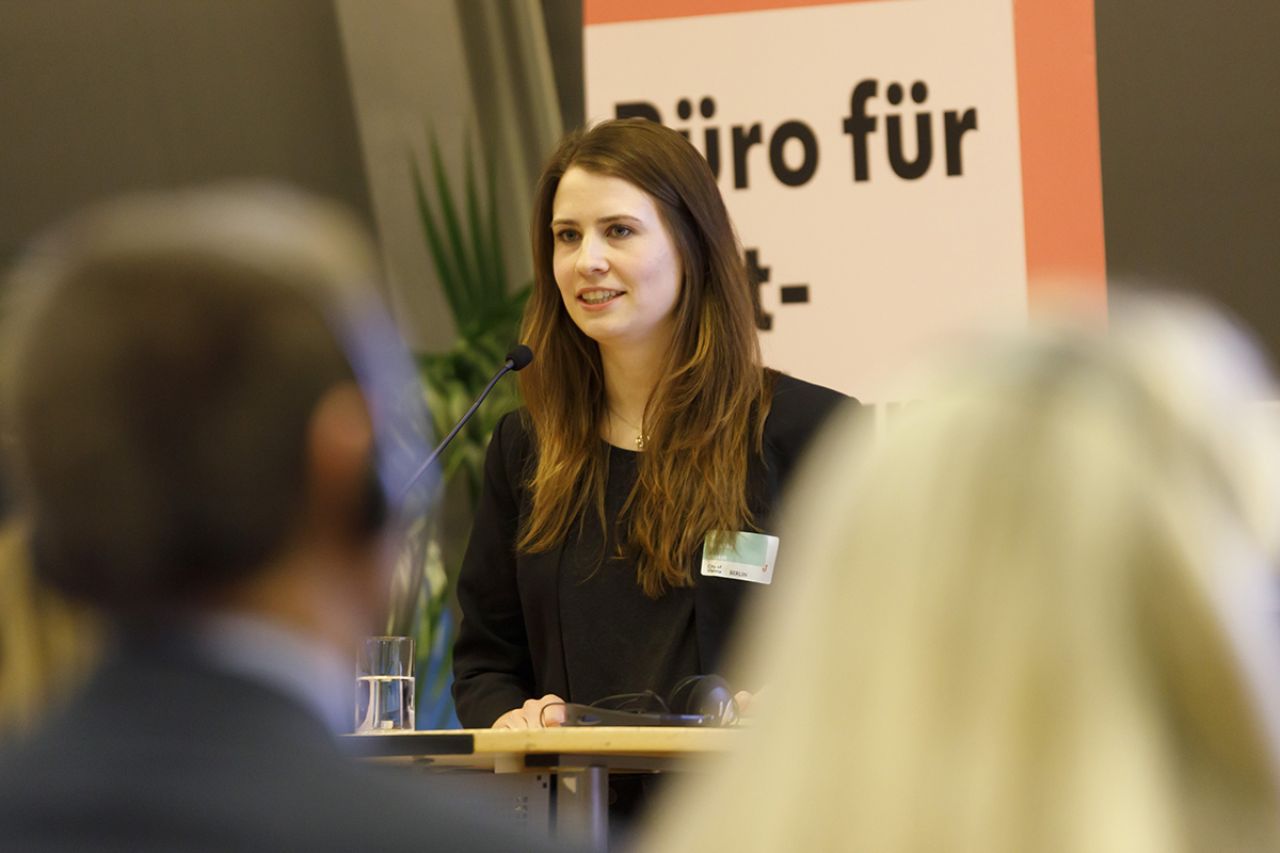
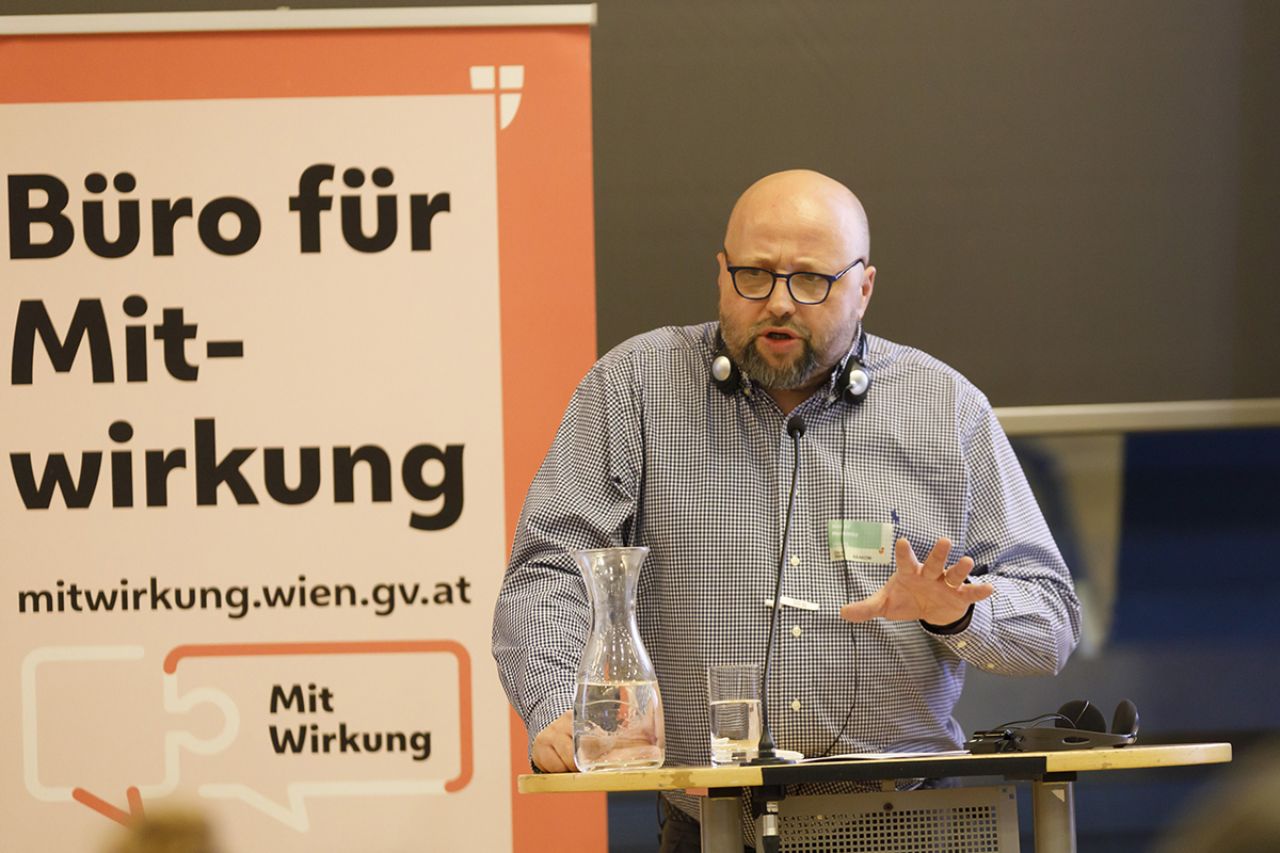
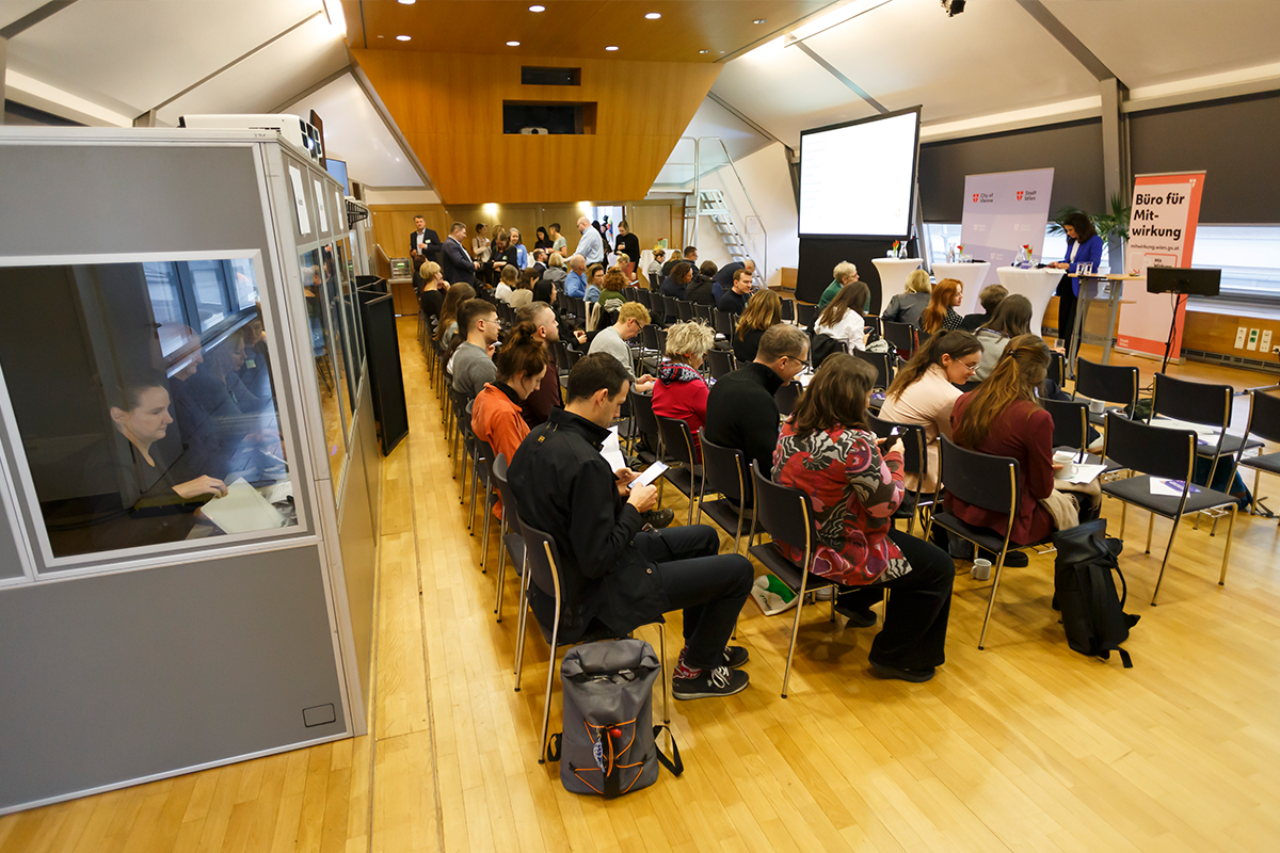
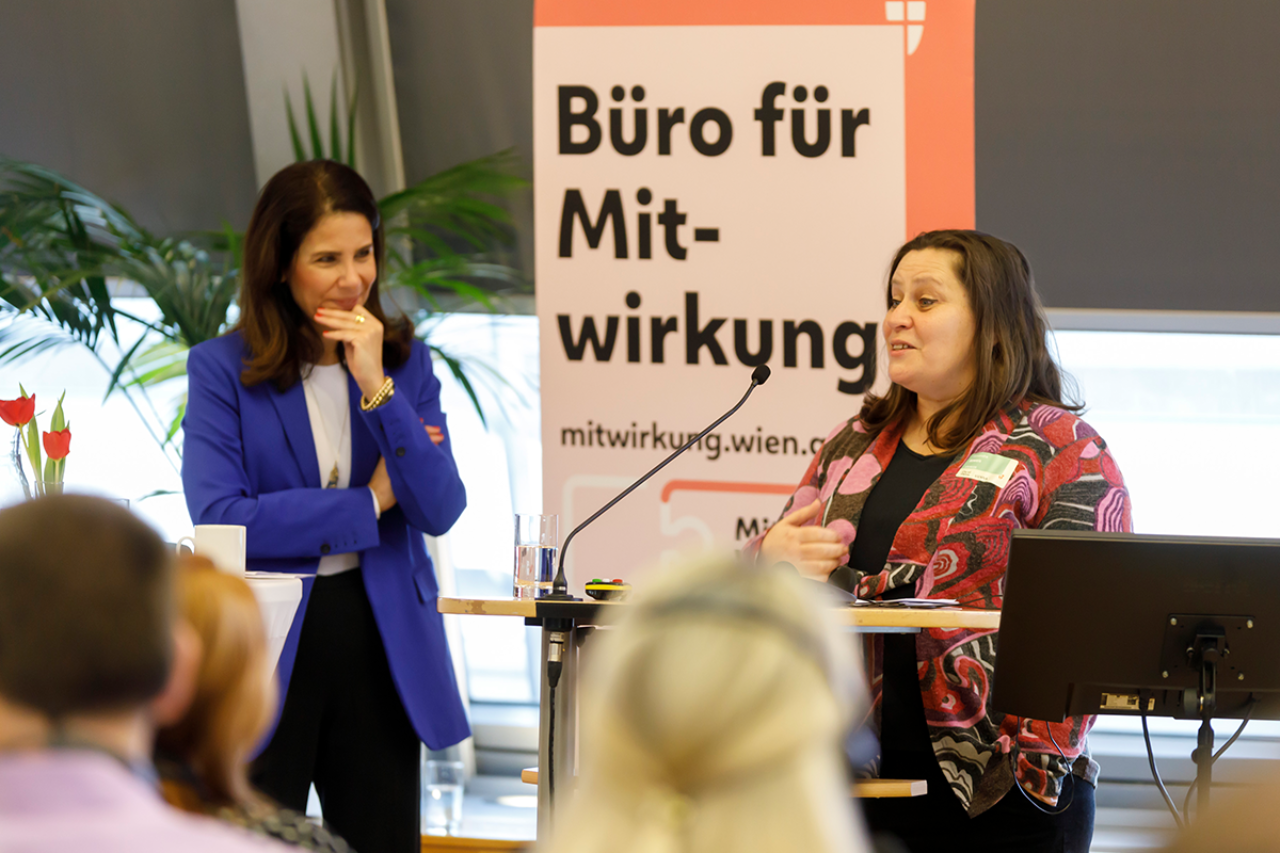
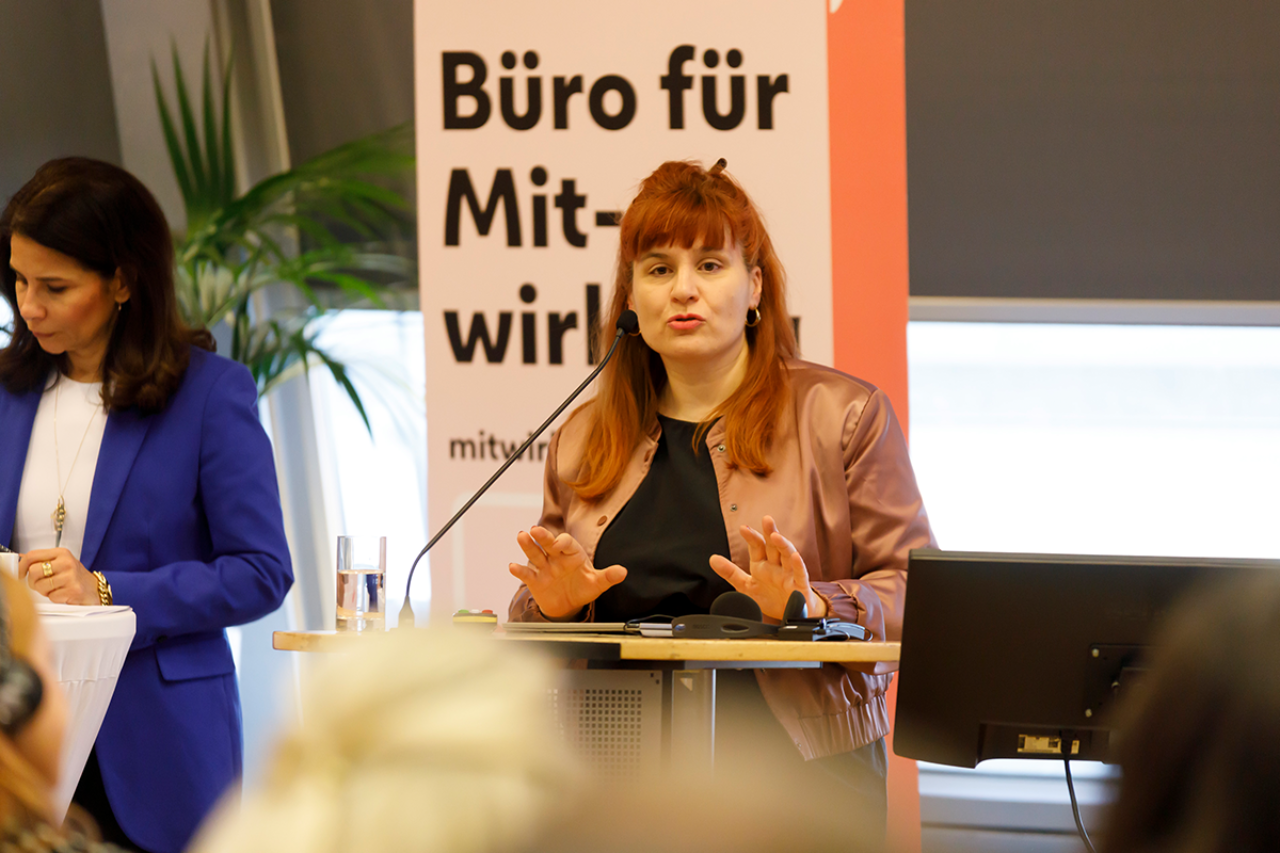
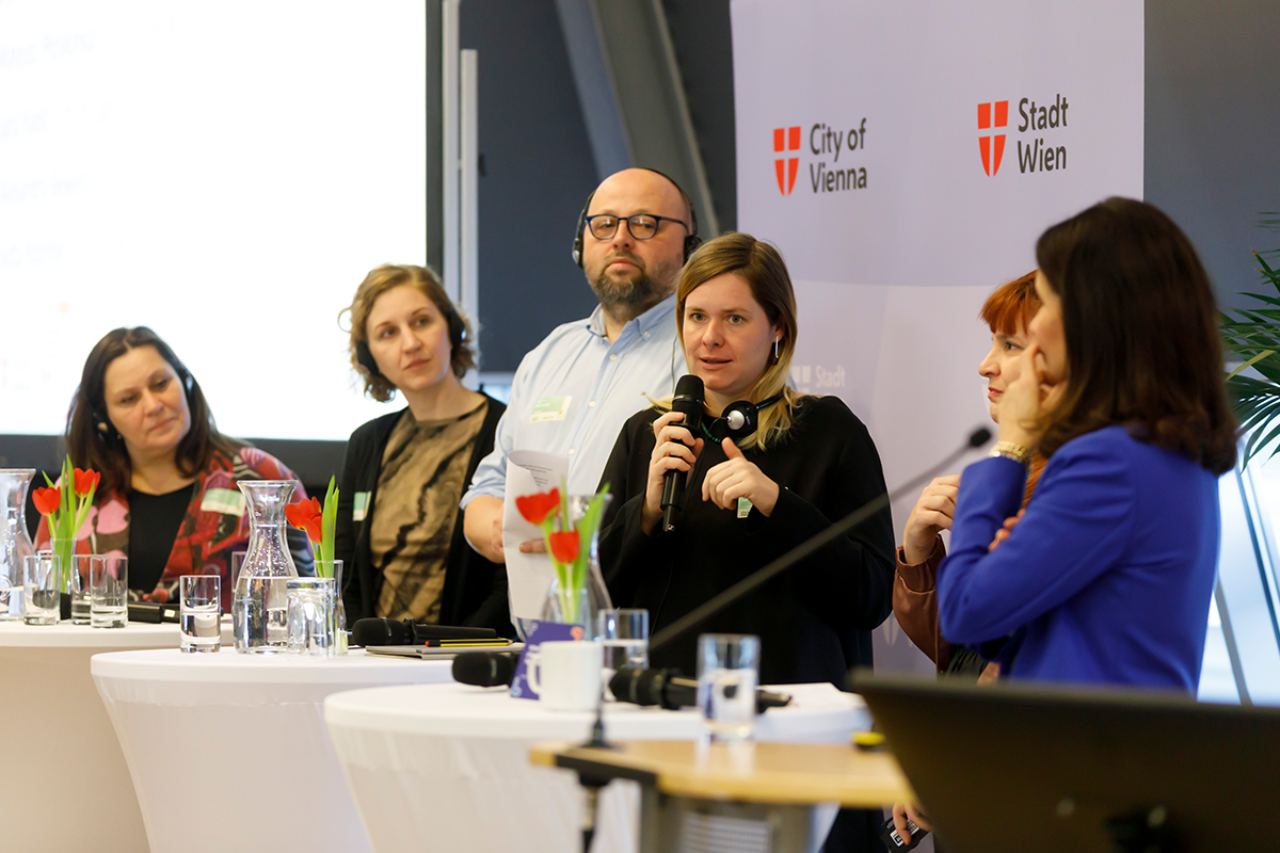
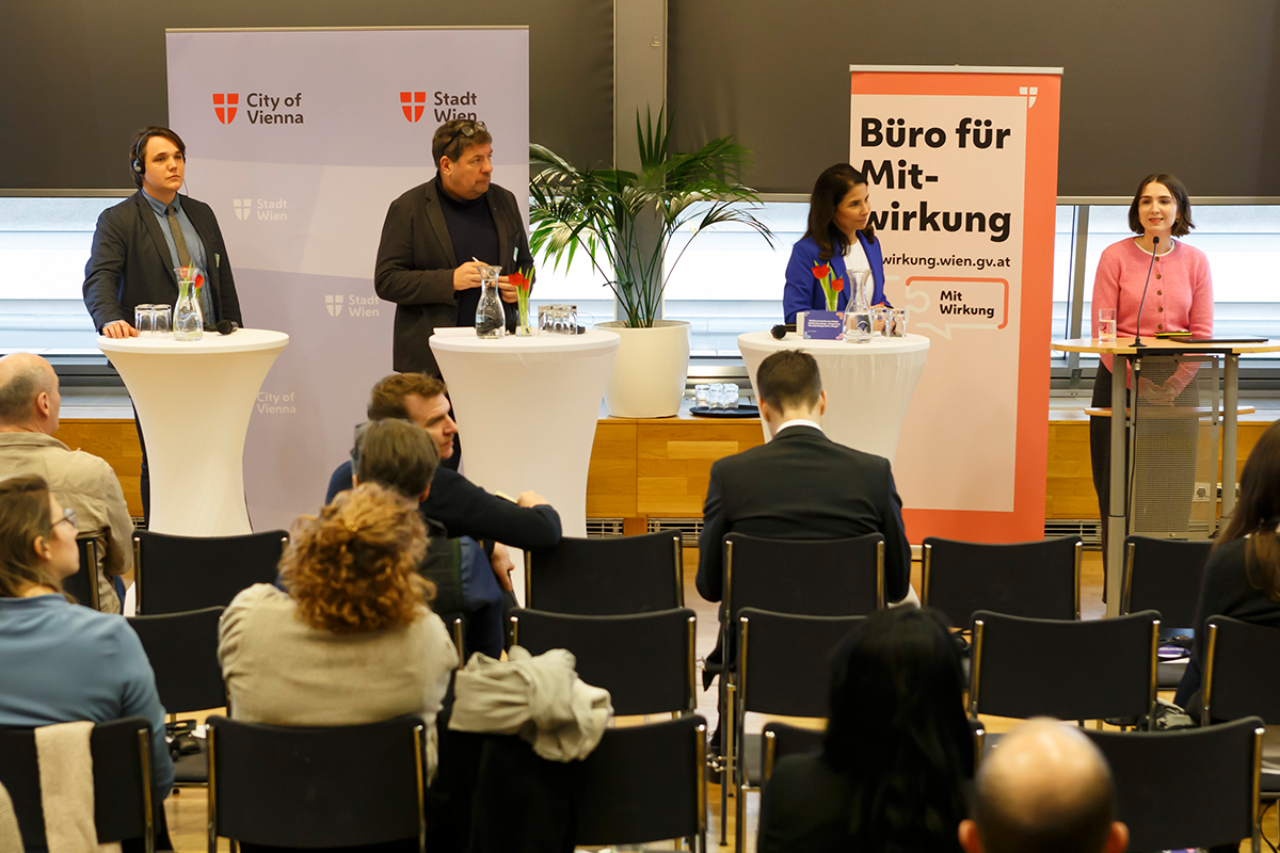
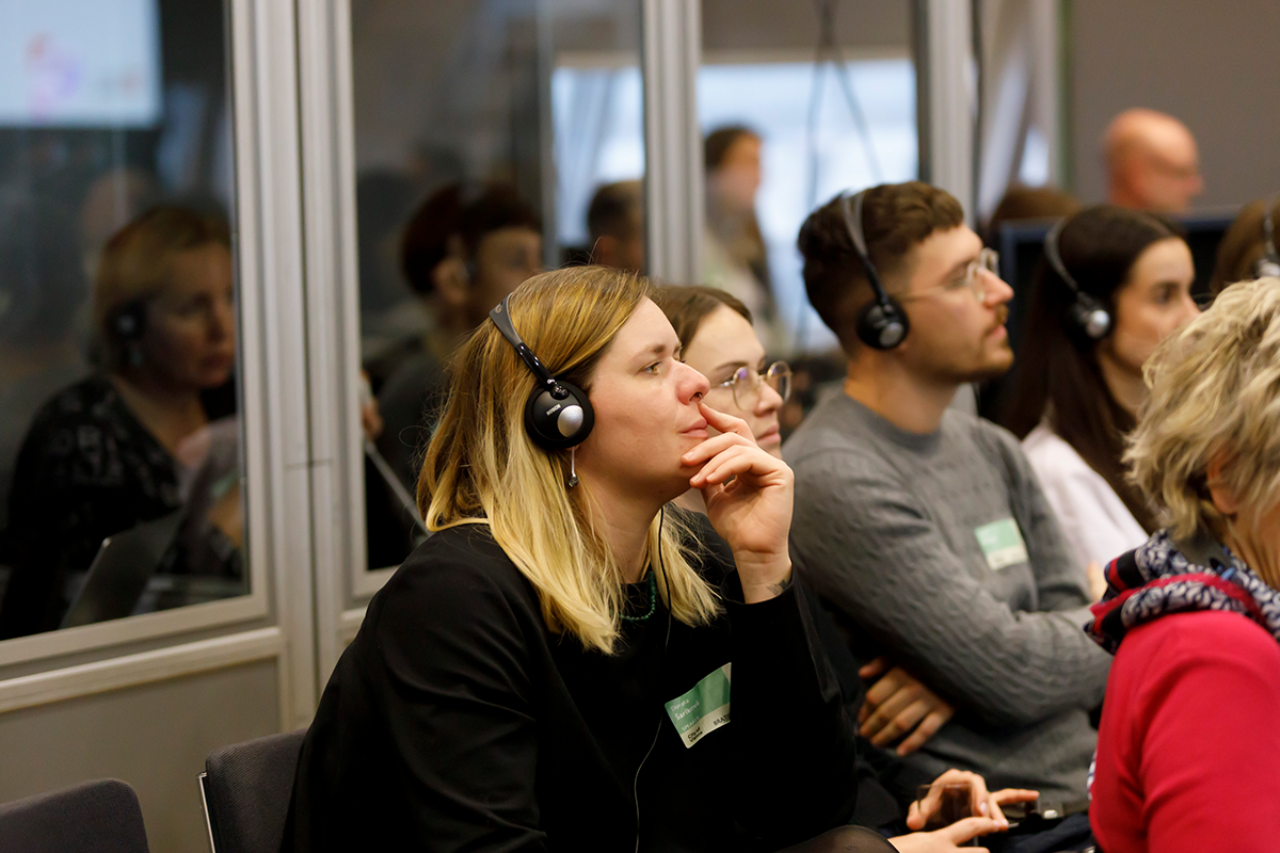
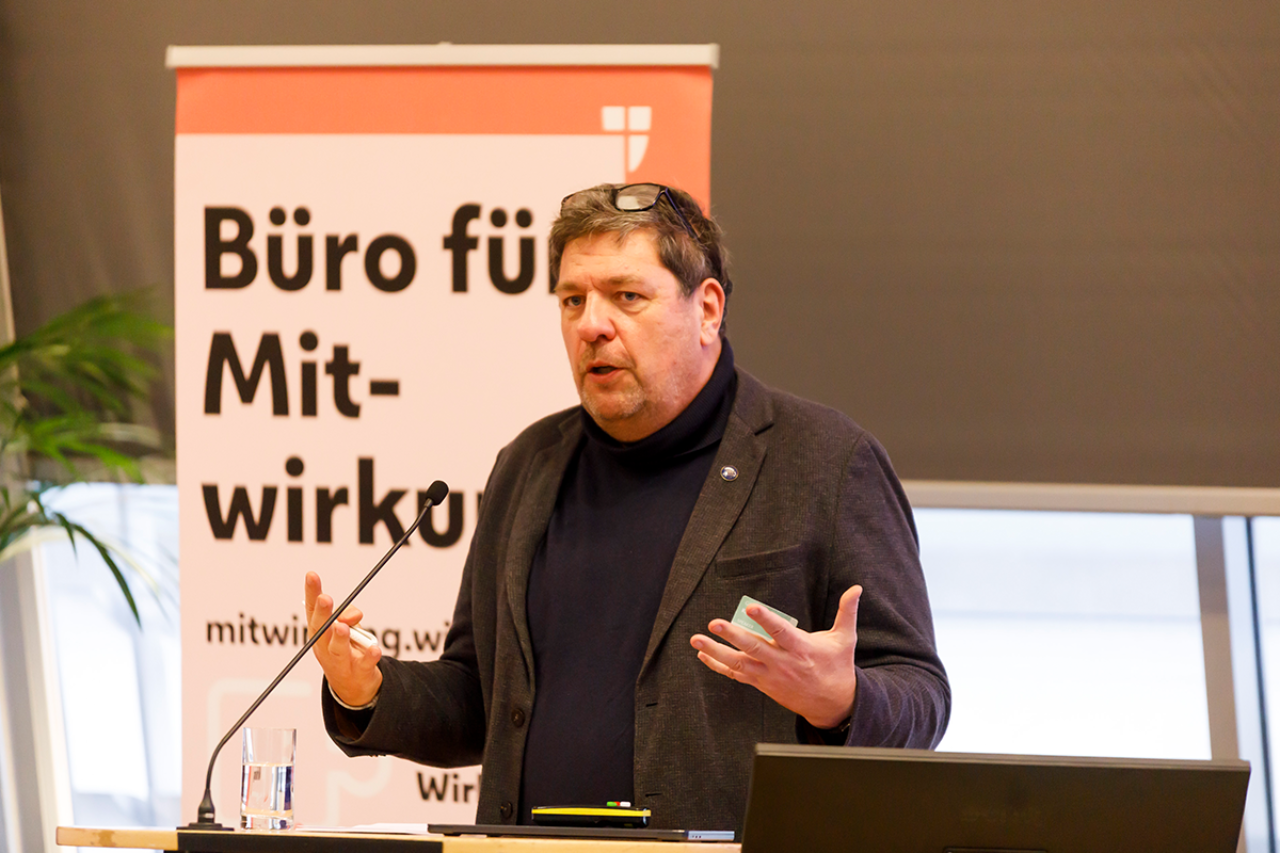
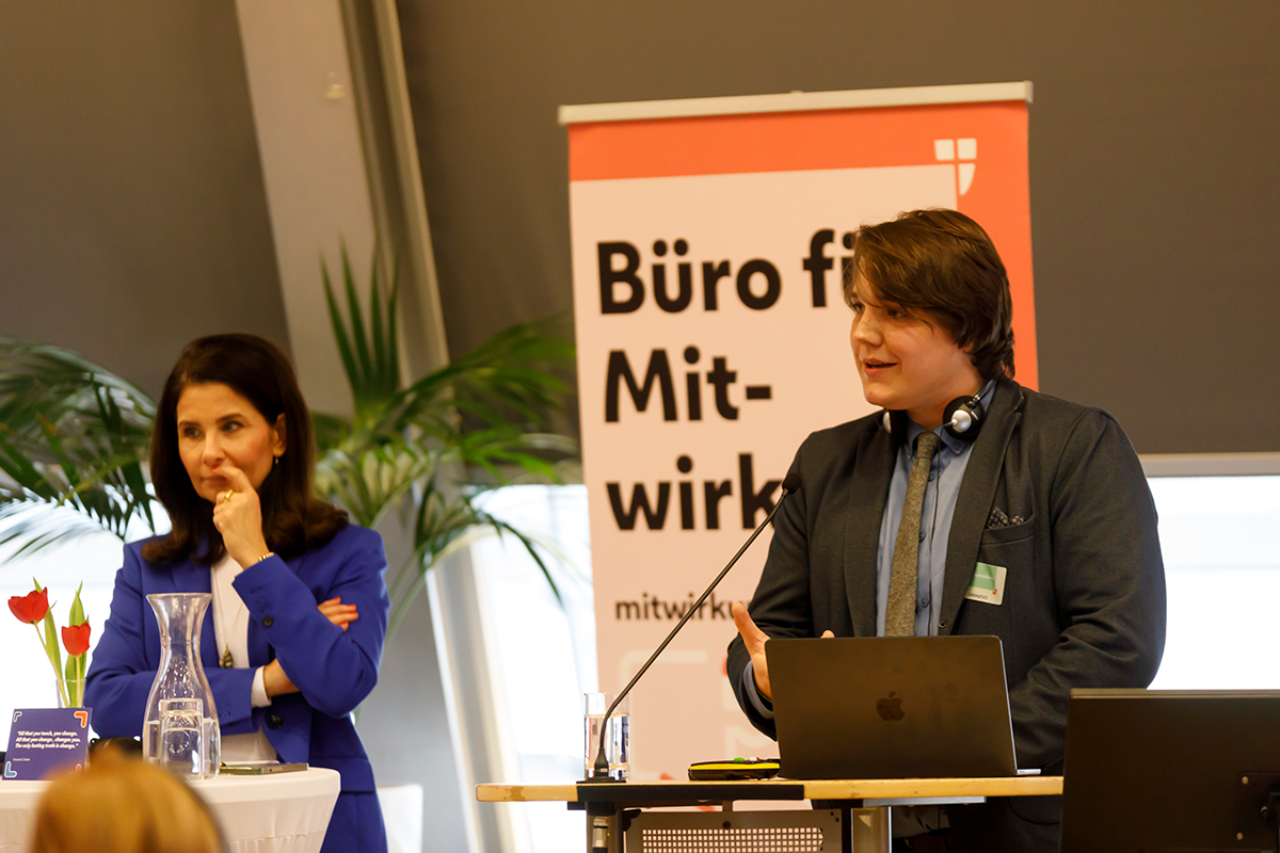
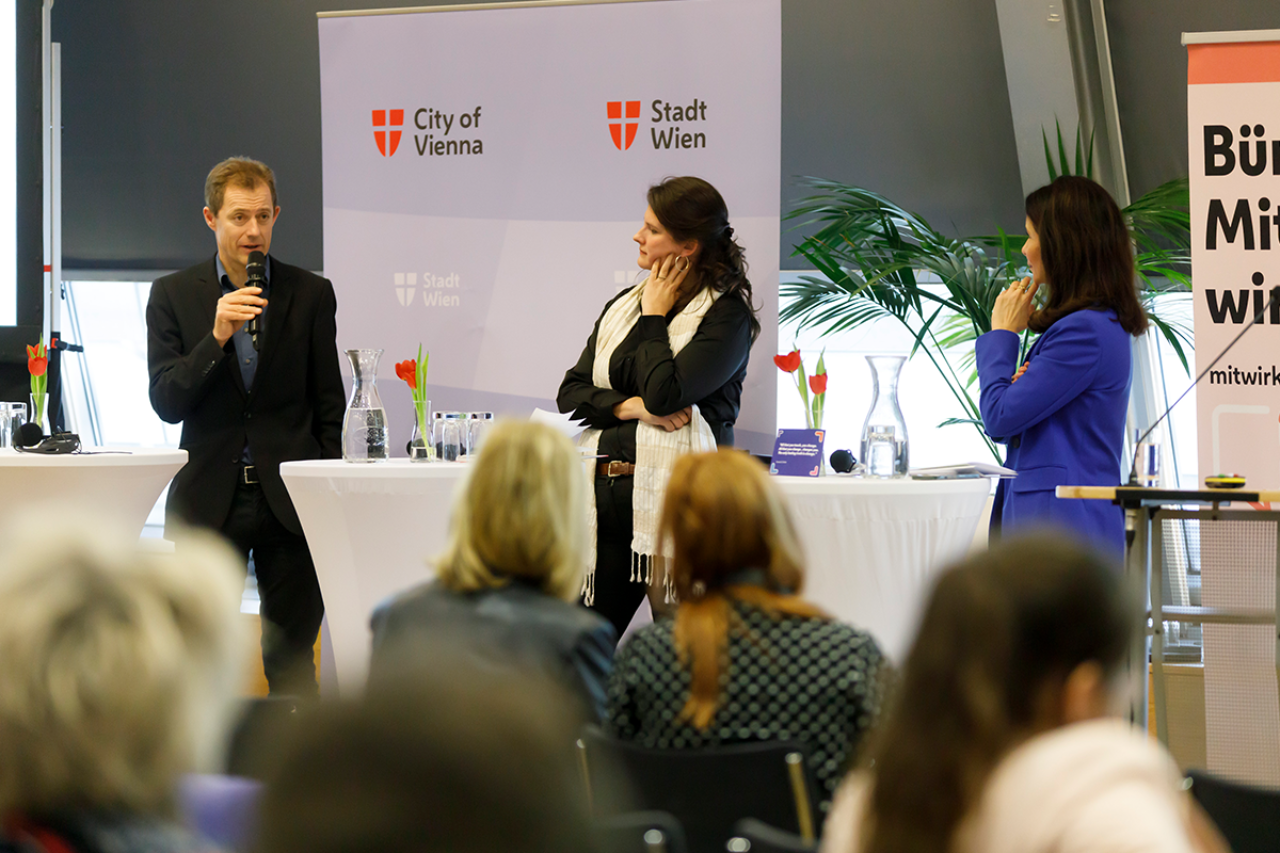
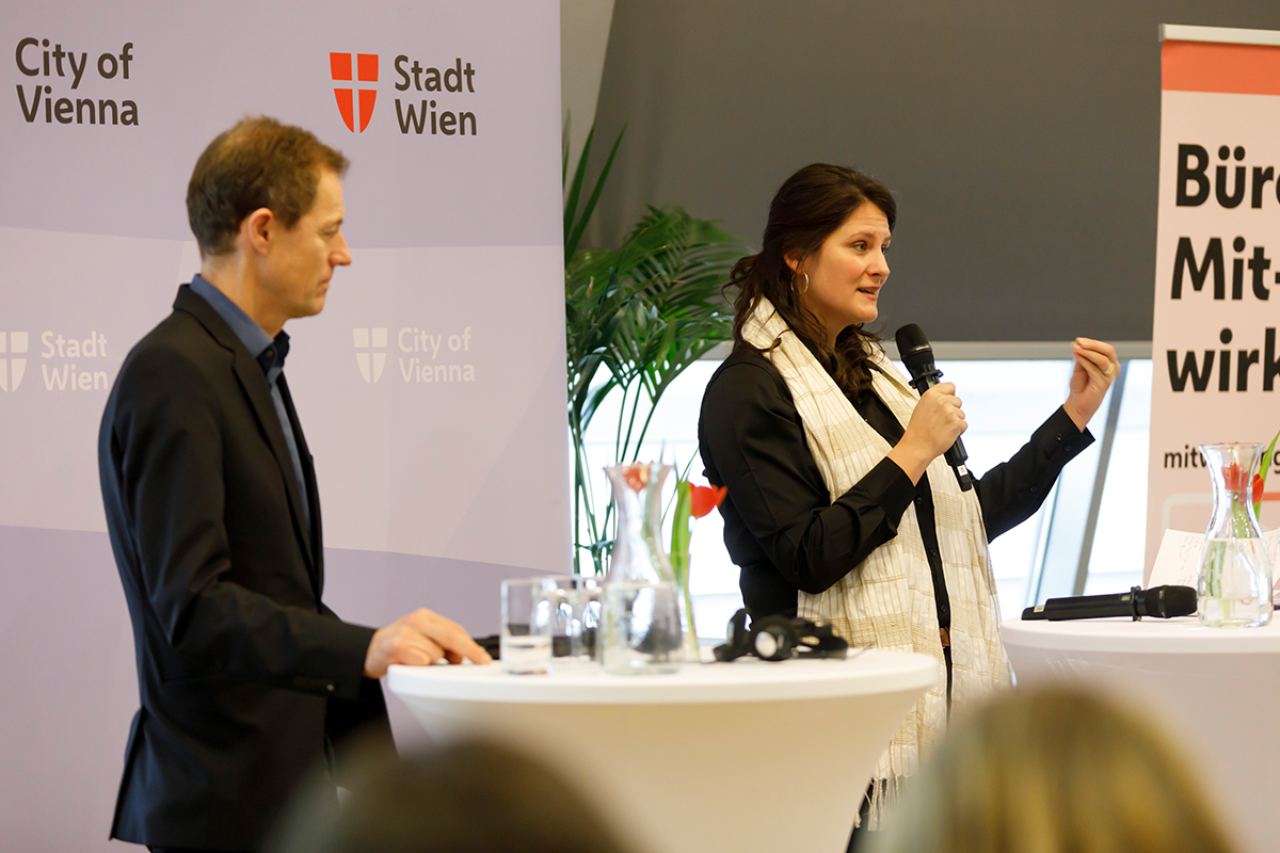
On the first day, January 30, 2025, the focus was on why democratic participation is so important for citizens. The "European Capital of Democracy" initiative and the City of Vienna's newly established Office for Participation was introduced. Experts presented the current data on participation and citizen involvement in European cities. The first panel explored how cities actively engage citizens and the changes that result from this. Under the motto "Came to stay", the following focus was on the institutionalization of participation processes and the role of city administrations. The final panel focused on discussions about the various methods of participation – from participatory budgeting and citizens' councils to forms of participation of municipal companies.
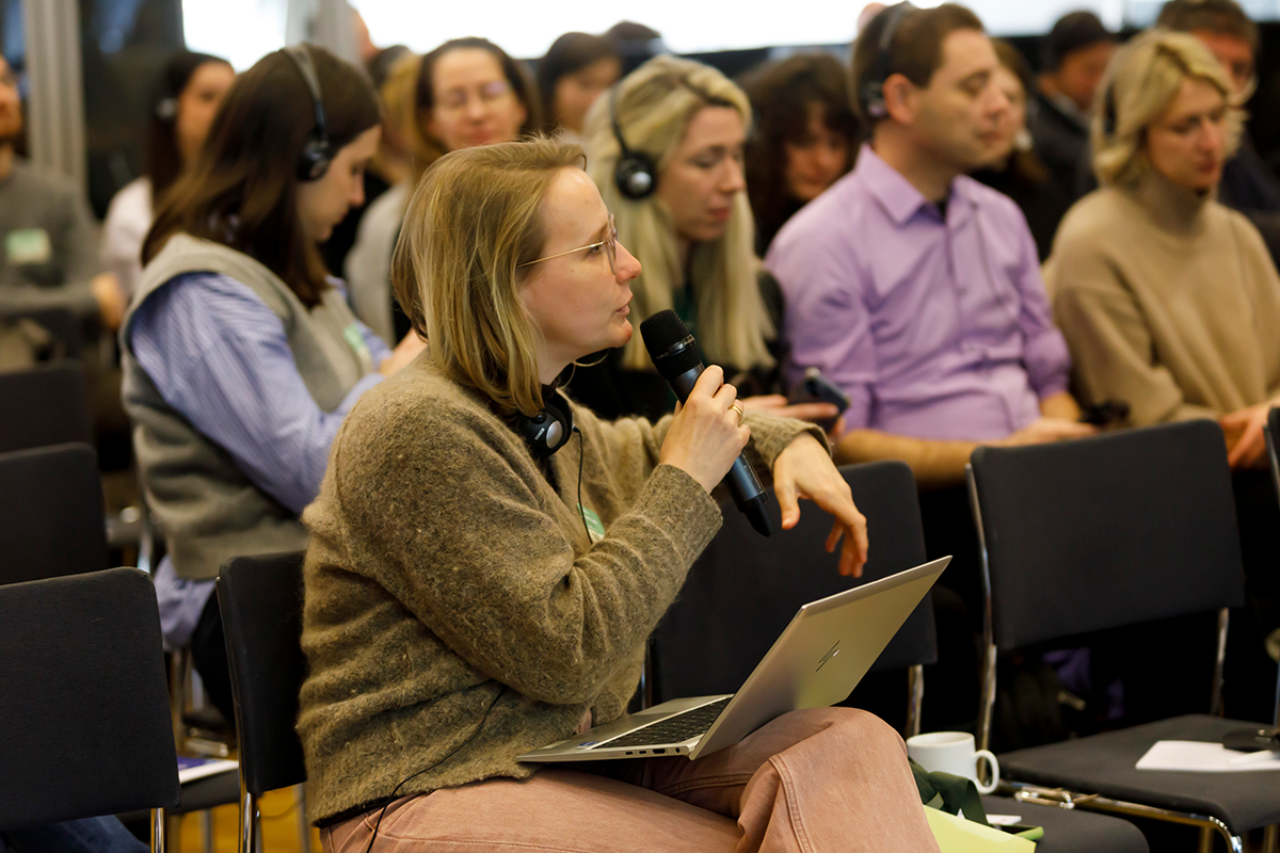
The second day, the 31st of January 2025, focused on engaging and involving different target groups in citizen participation projects. The discussion was centered on strategies and innovative approaches to encourage more people to actively shape their living environment. Particular attention was given to the opportunities and challenges posed by digitalization. The potential of digital tools for citizen participation was explored, including which target groups can be reached and who may be excluded.
Video
Program
Day 1, 30 January 2025
Moderation by Sonja Kato
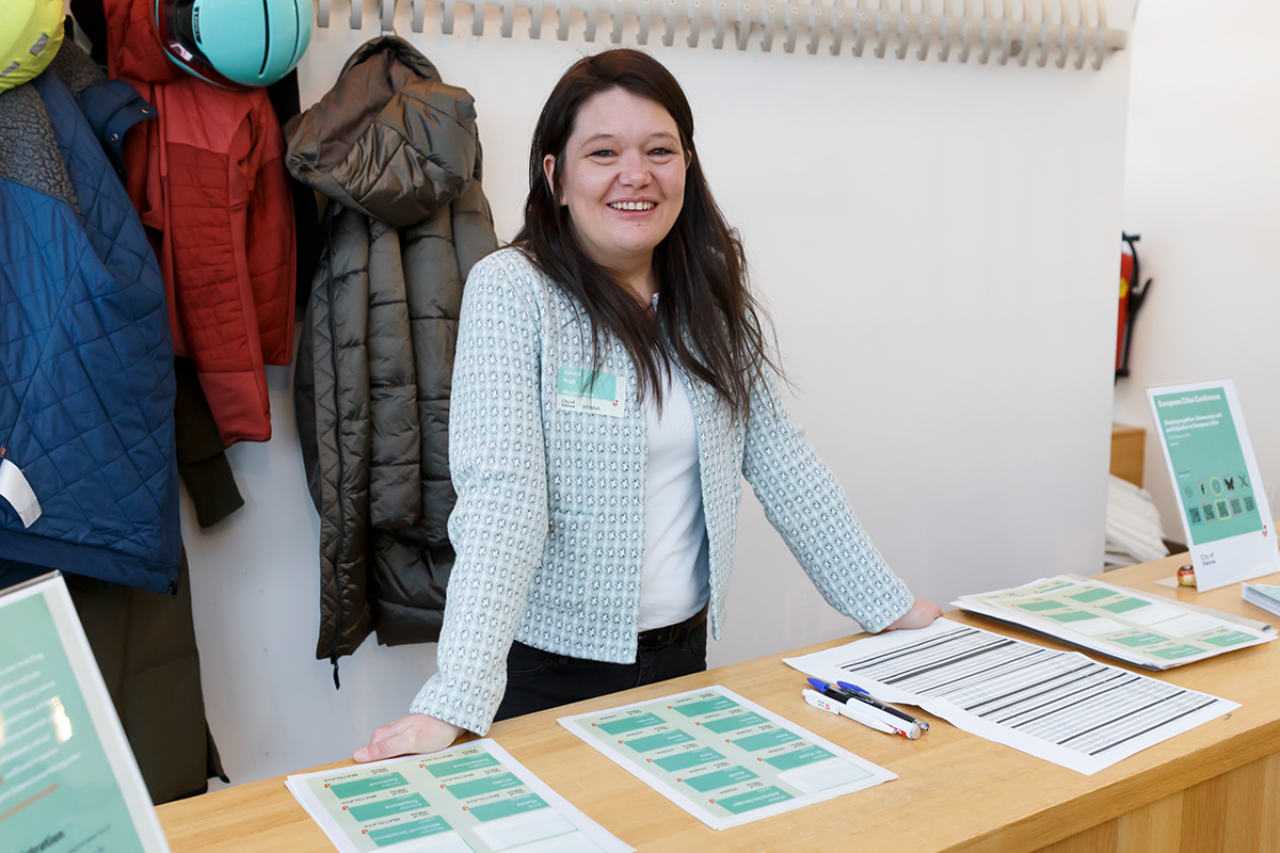
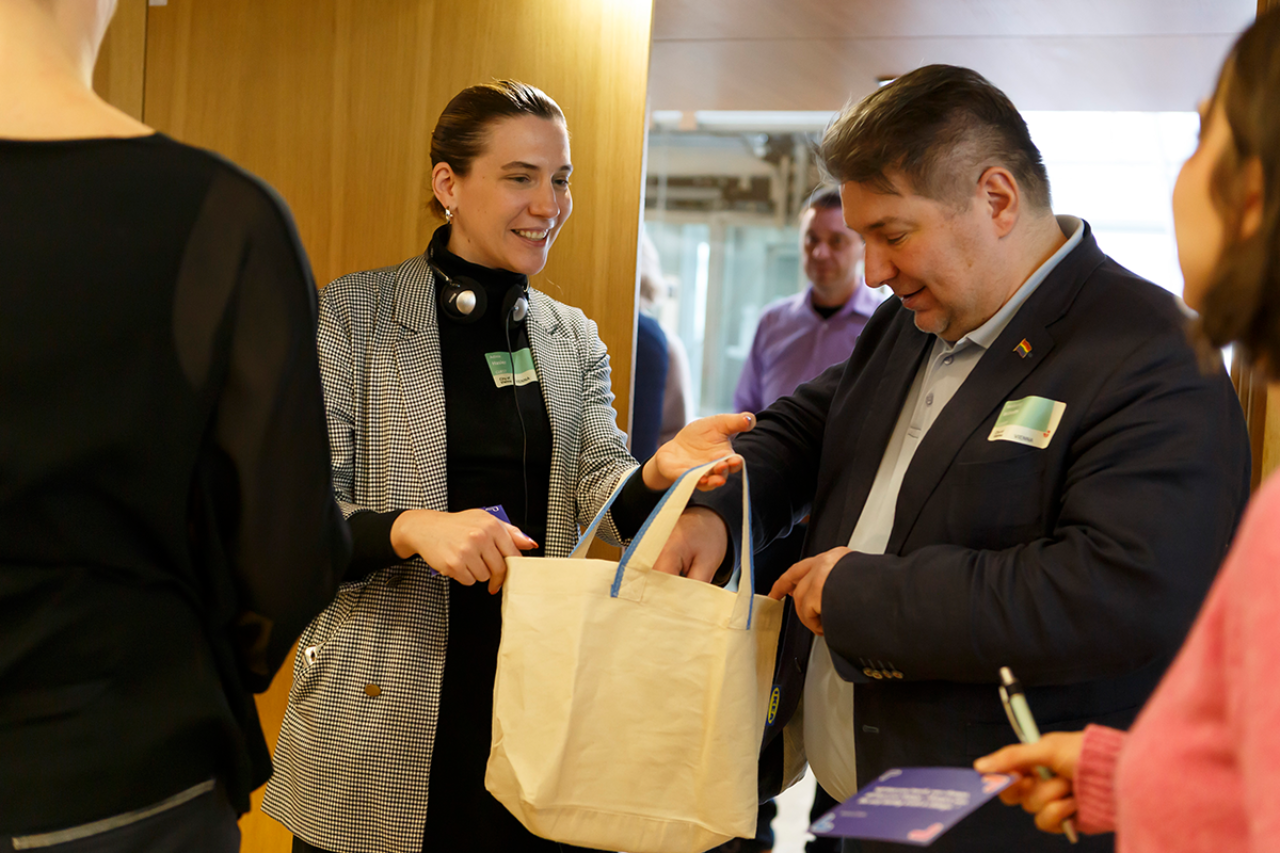
- 11 am Registration, welcome and brunch
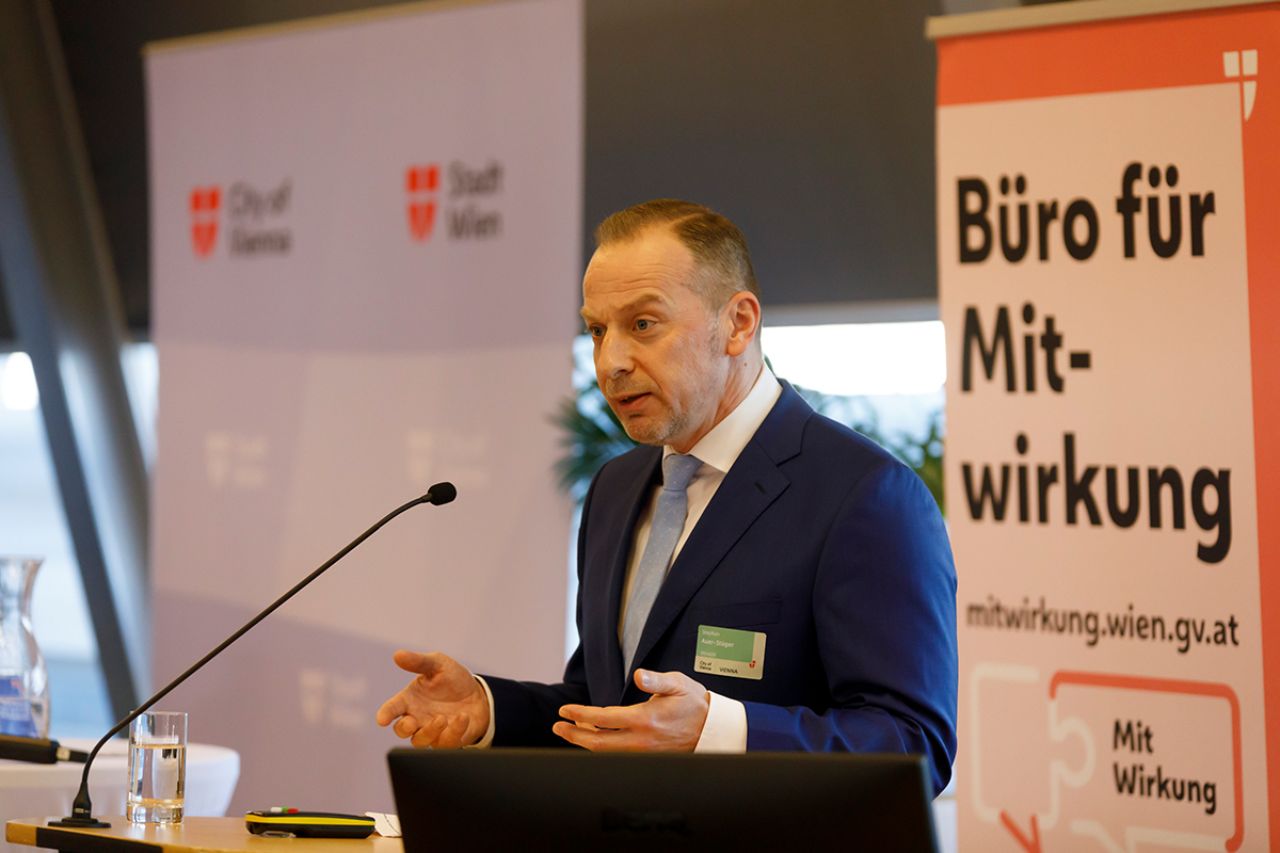
- 12 pm Welcome address by Stephan Auer-Stüger, Member of the Vienna Provincial Parliament and Municipal Councillor
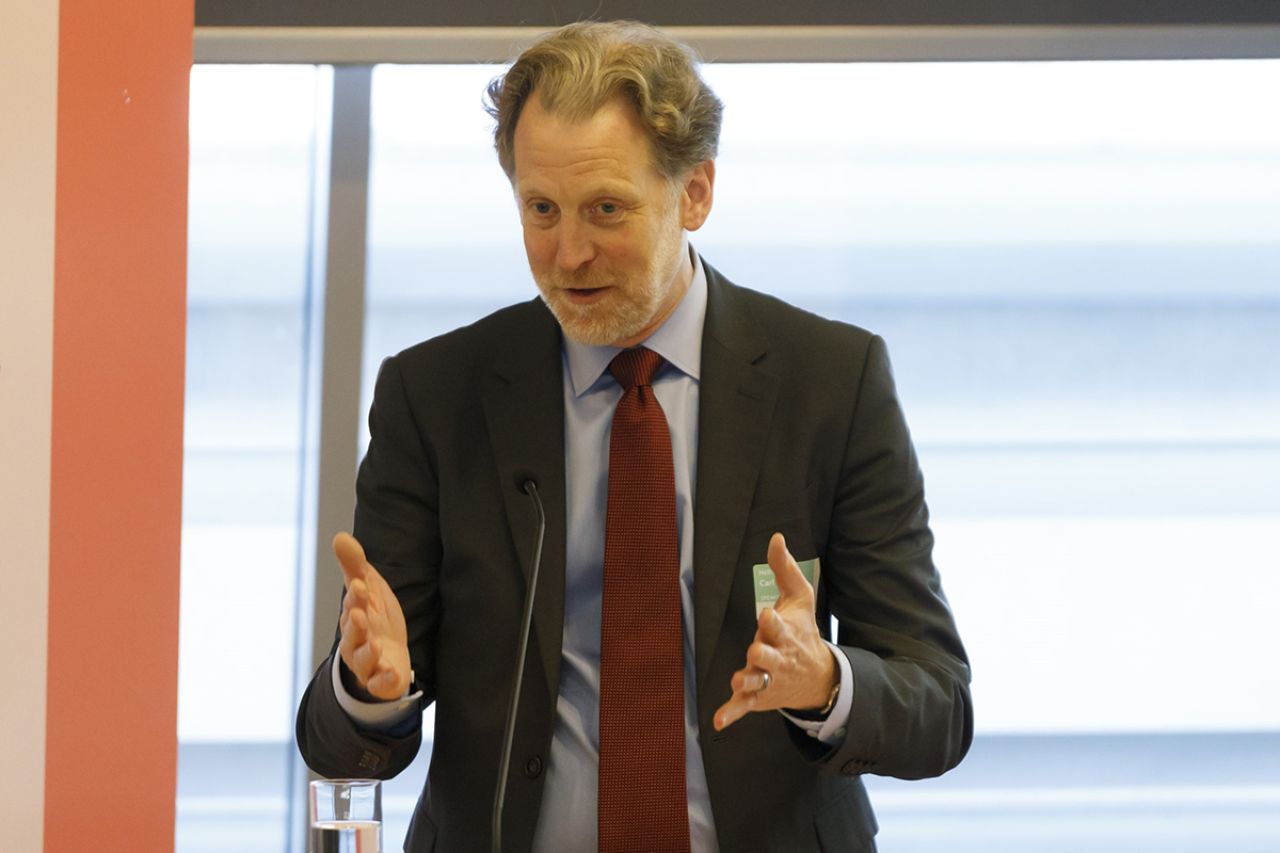
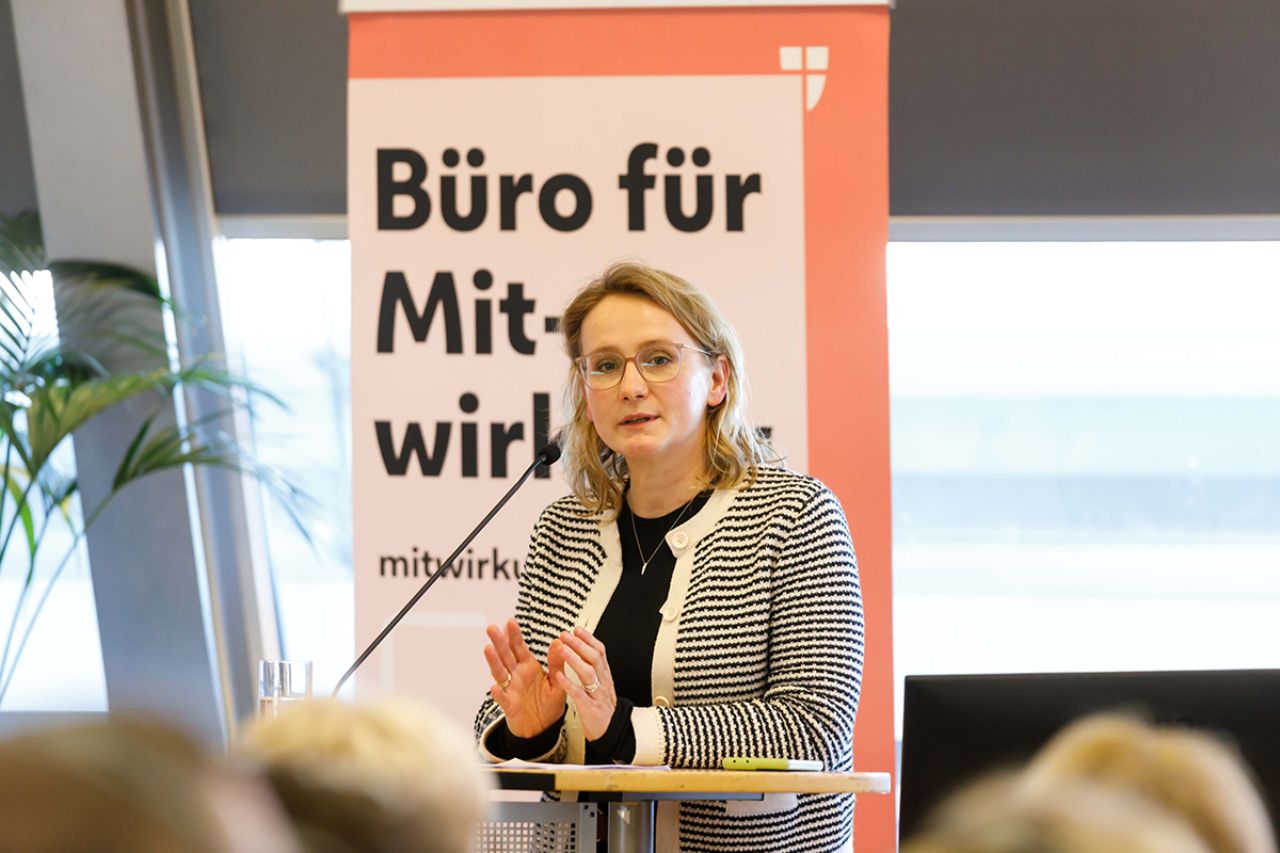
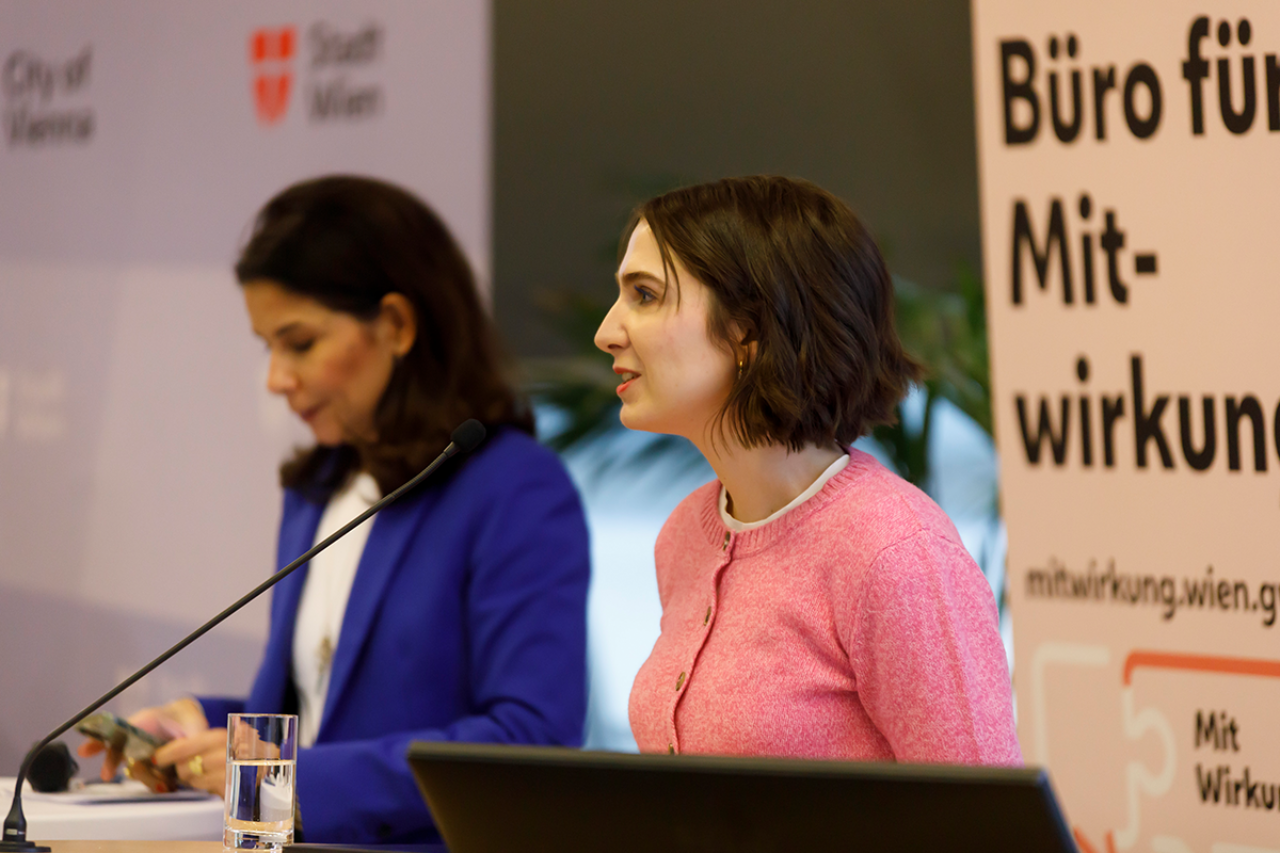
- 12.10 pm Keynotes: Helfried Carl – European Capital of Democracy; Wencke Hertzsch – Democracy Capital Vienna, Office for Participation
12.50 pm Speech on the current data situation in the area of participation – Martina Zandonella, FORESIGHT; Tamara Ehs, Ehs & Fils Democracy Consulting
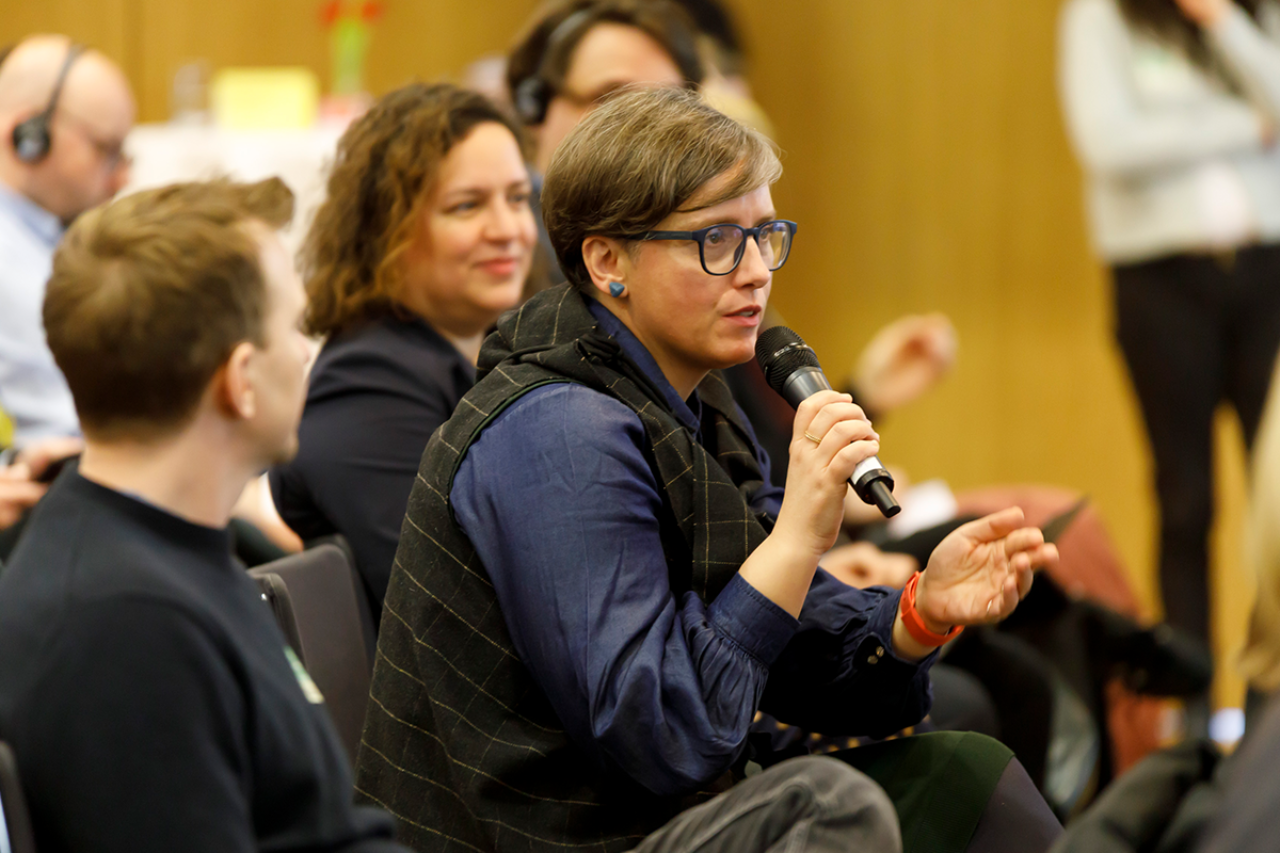
1.10 pm Moderated discussion round with the speakers
1.40 pm Panel 1: Good participation in practice and lessons learned
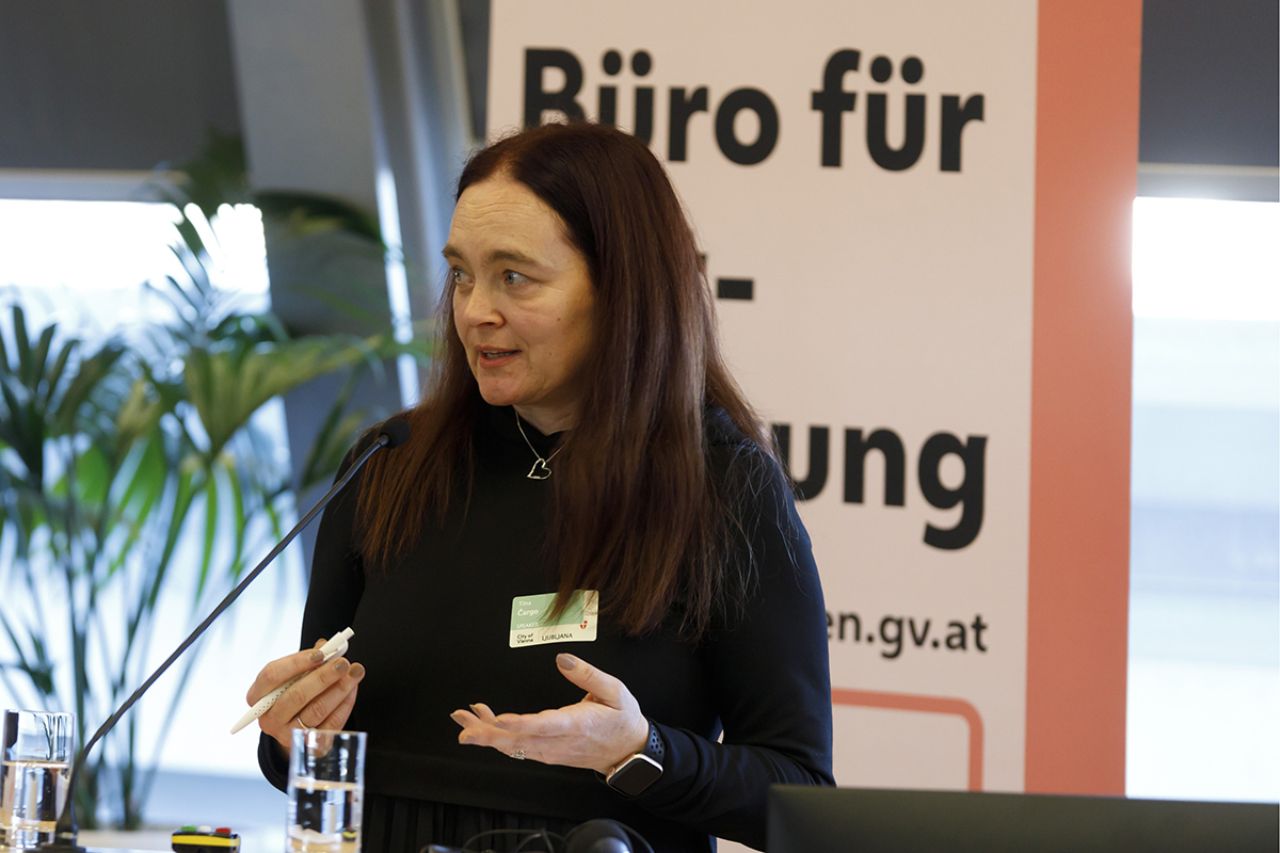
Sabrina Halkic, Local Agenda 21 Vienna; Georg Feiner, City of Vienna; Juraj Hurný, Planning Institute "Metropolitan Institute Bratislava"; Tina Čargo, City of Ljubljana2.50 pm Coffee break
3.20 pm Panel 2: Institutionalisation of participation
Laura Schoch, City of Vienna; Barbara Brosenbauer, City of Vienna; Gábor Kerpel-Fronius, City of Budapest;
Aleksandra Grubić-Jureško and Hrvoje Kalčiček, City of Zagreb;4.20 pm Panel 3: Methodology for participation
Nina Chladek-Danklmaier, City of Vienna; Andreas Baur, City of Vienna; Alicia Reschke, Quartiersmanagement Letteplatz, Berlin;
Mateusz Płoskonka, City of Krakow5.25 pm Wrap-up and Farewell
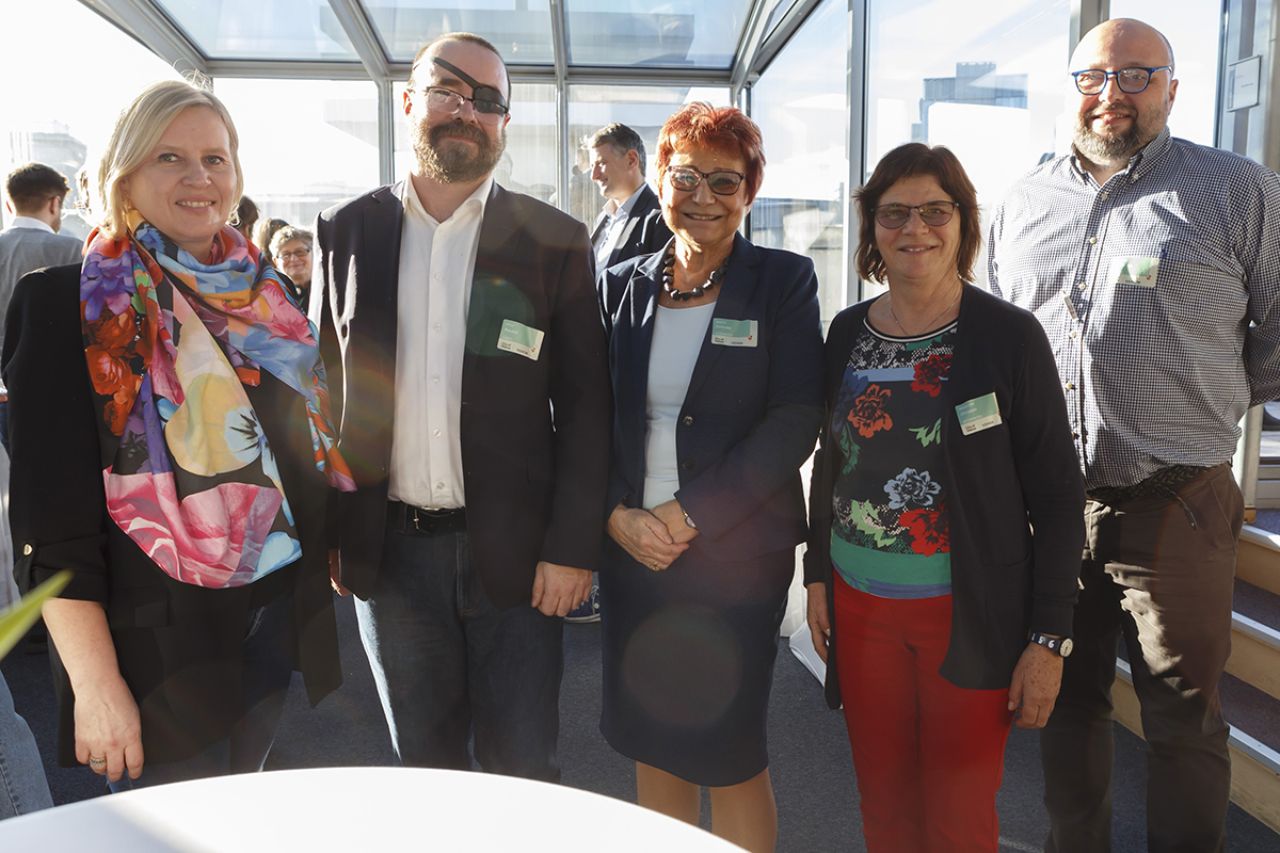
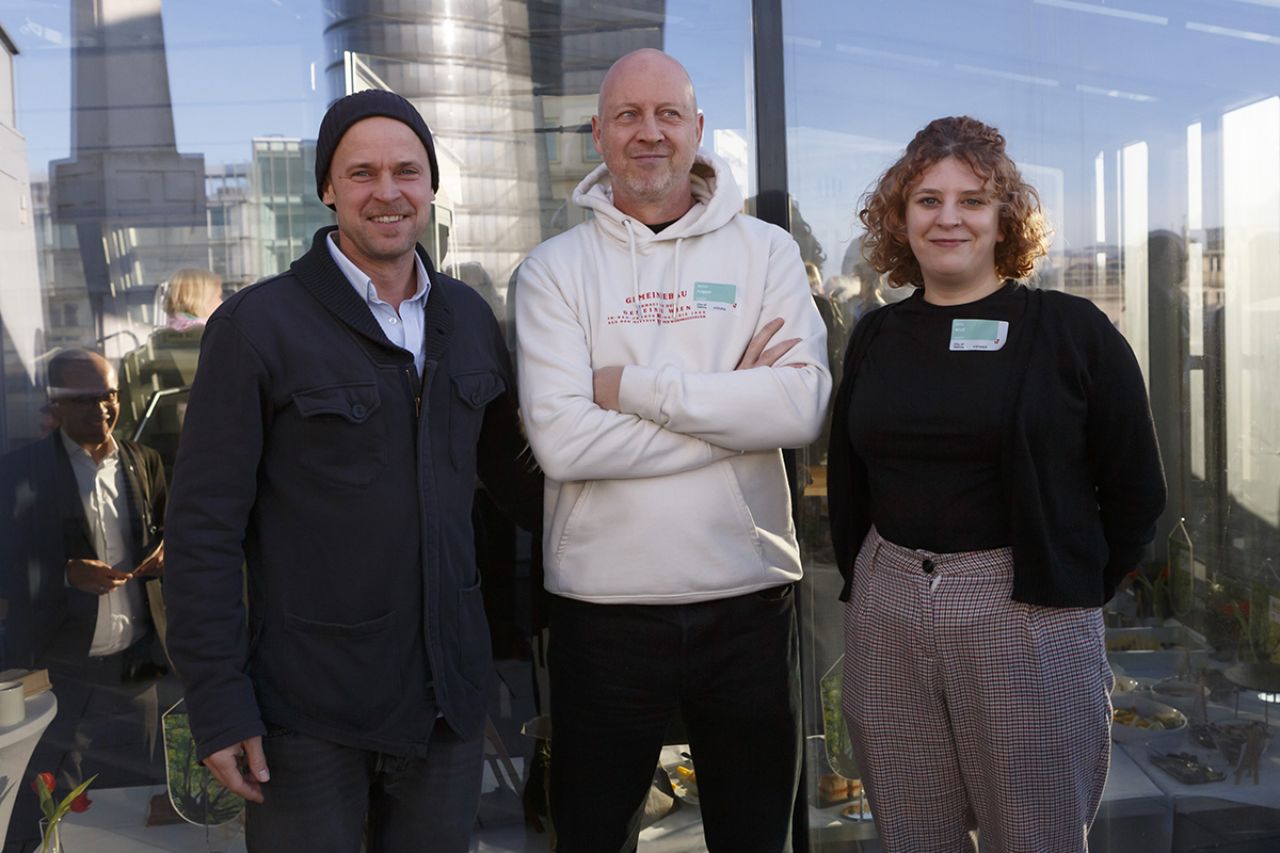
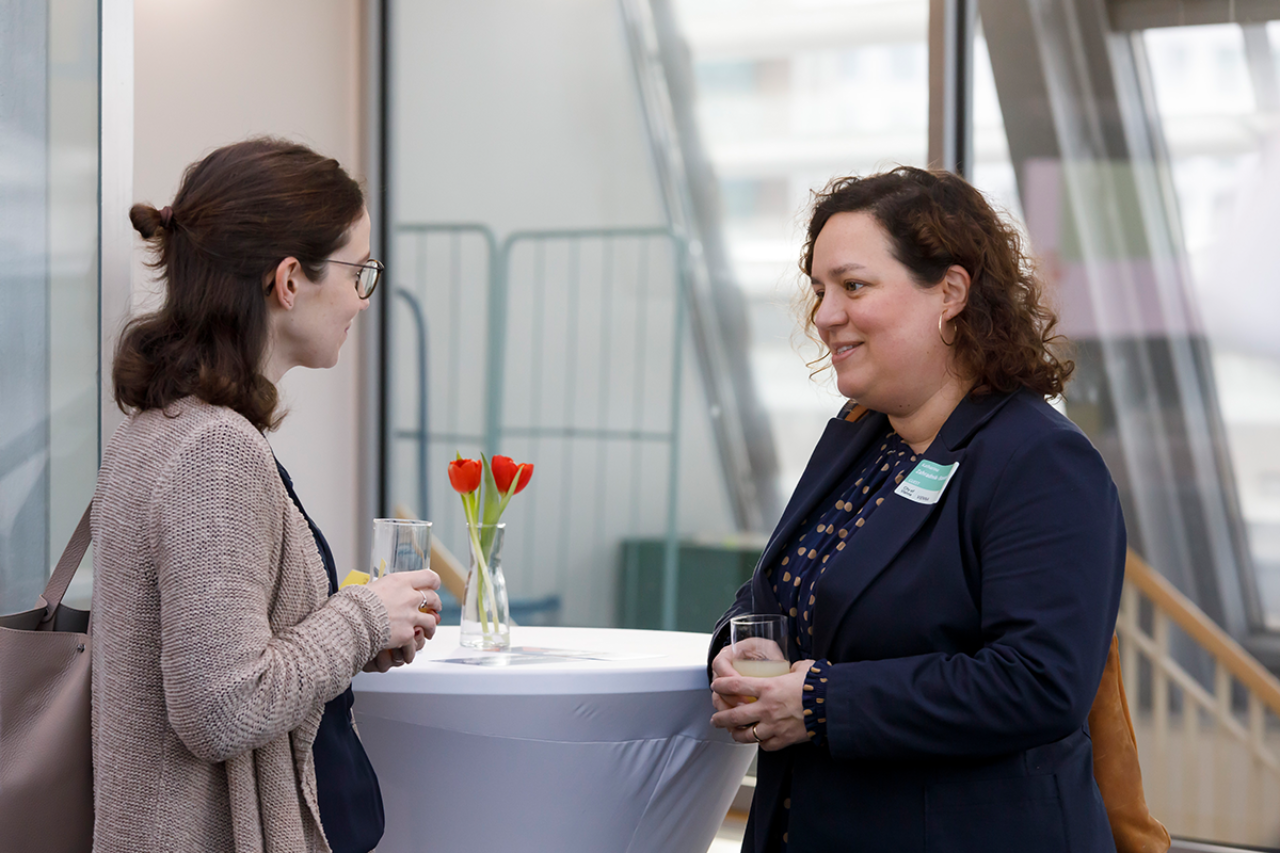
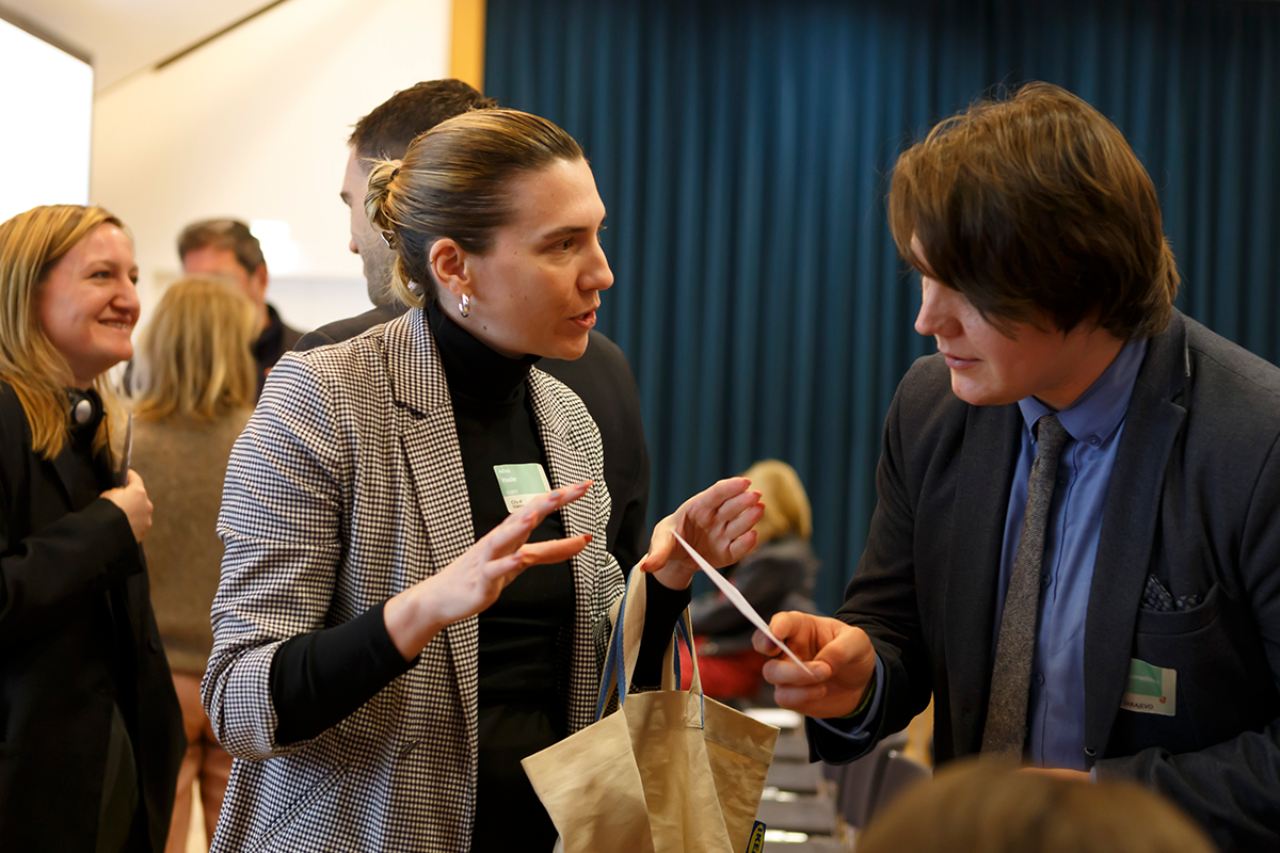
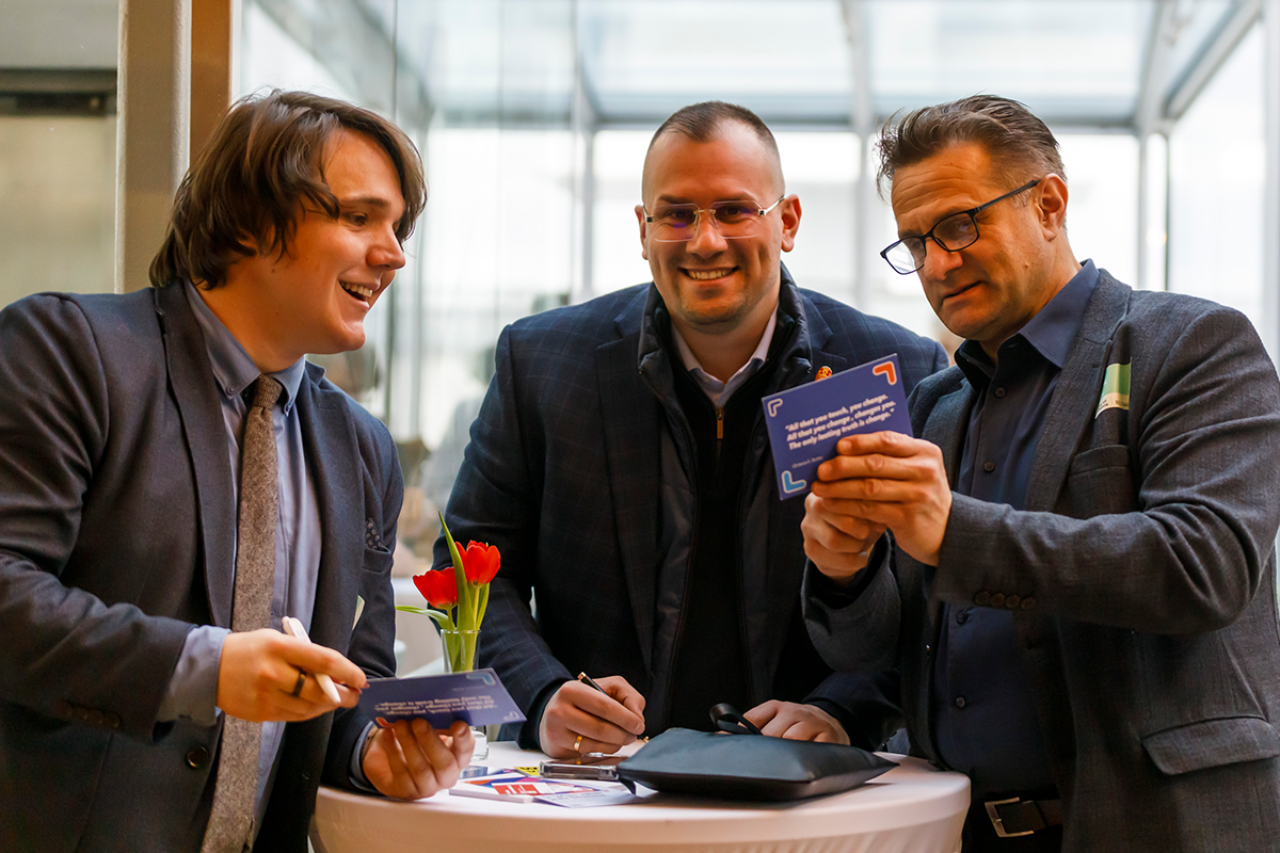
from 5.30 pm Networking with standing buffet
Day 2, 31 January 2025
Moderation by Sonja Kato
- 8.30 am Registration and coffee
- 9 am Impulses from civil society: Kathrin Braun, Strangers become friends, Miriam Mayrhofer & Mari Steindl, Volkshilfe Community Work, Sarah Zeller, JUNO - Centre for separated and single parents
10 am Panel 4: Integrating different target groups
Alexandra Beweis, Werkstadt Junges Wien; Jutta Rozinski, Vienna Social Fund; Dorota Šaríková, City of Bratislava; Mateusz Płoskonka, City of Krakow;
Jana Radić, City of Zagreb11 am Coffee break
11.20 am Presentation by Belgrade City Councillor Milivoje Pajović
11.30 am Panel 5: The digital path to participation
Marlene Fuchs, City of Vienna; Gábor Kerpel-Fronius, City of Budapest; Derviš Hadžimuhamedović, City of Sarajevo12.15 pm Closing discussion: Susanna Erker, City of Vienna; Thomas Madreiter, City of Vienna;
12.55 pm Wrap-up and farewell
1 pm Buffet
Speakers
Andreas Baur
Since 2020, Andreas Baur has been leading the Citizen Participation and Communication Unit, which supports projects and initiatives in Vienna’s urban district planning and land use designation. The focus is on integrating planning processes with citizen participation procedures and transparent and early communication. The tasks also include developing and implementing new forms of citizen participation in Vienna, such as establishing easily accessible urban spaces in transformation areas or setting up future-oriented teams.
Alexandra Beweis
Alexandra Beweis has been working in youth work in Vienna for many years. She was part of the team that, with the Werkstadt Junges Wien, was responsible for the participation process to create the first Vienna children and youth strategy. Today she heads the WIENXTRA city box, which offers participatory processes with children and young people in Vienna as well as playful educational offers on the topic of the city. Together with her team, she methodically designed the Vienna-wide Children and Youth Parliament and the co-creation phase of the Children and Youth Million and continues to support these two major projects from the Children and Youth Strategy to this day.
Kathrin Braun
Kathrin Braun is a research associate and project manager at the organization "Fremde werden Freunde" (Strangers become friends), which focuses on the inclusion and participation of people with refugee and migration backgrounds. Her work focuses on political participation and the integration of marginalized groups into democratic processes. Braun engages with these topics both academically and in practice.
Barbara Brosenbauer
Barbara Brosenbauer has been working in technical urban renewal within the area support and urban renewal group since 2020. She is responsible for the topics of structural renovation and public space in the "management and quality assurance" area. As a spatial planner with many years of experience in participation, she places a special focus on the involvement of disadvantaged groups in the work of the urban renewal area support. The aim is to empower these people to actively shape their living environment and thus make democratic processes tangible and understandable.
Tina Čargo
Tina Čargo is a senior adviser at the City of Ljubljana and holds a degree in Political Science from the University of Ljubljana. She has been working in the City Administration since 1999, spending 20 years in the Department for International Relations and Protocol within the Mayor's Office. Since 2019, she has been working in the Department of Environmental Protection. She is a member of the Mission 100 Climate Neutral and Smart Cities transition team, working with other Mission cities and the European Commission to support the transition and implementation of the Ljubljana Climate City Contract. Čargo is also the coordinator and one of the founding members of the Innovation Hub, which serves as a one-stop-shop for citizens and stakeholders to engage with the city’s climate initiatives. Additionally, she coordinates activities within Project Zunaj (Project Outdoors), a project that helps the residents of Ljubljana carry out outdoor interventions in their immediate surroundings.
Helfried Carl
Helfried Carl is the founder and member of the advisory board of the "European Capital of Democracy" initiative and a board member of the "Innovation in Politics Institute". In his career as a diplomat, he was head of the cabinet of the President of the Austrian Parliament and Austrian ambassador to Slovakia.
Nina Chladek-Danklmaier
Nina Chladek-Danklmaier has been a staff member at the Office for Participation since 2024. In 2025, she took on the role of project manager for the Vienna Climate Team. She has extensive expertise in the field of participation in urban renewal in densely built-up urban areas and urban development zones. Her current work focuses on urban climate change adaptation and climate protection, with a particular emphasis on involving residents, especially hard-to-reach groups. Chladek-Danklmaier studied landscape architecture in Vienna and Copenhagen.
Tamara Ehs
Tamara Ehs, founder of the democracy consulting firm Ehs & Fils, studied political science, communications and law. She is a scientific advisor to the State Councillor of the Baden-Württemberg State Government on issues of citizen participation, the European Association for Local Democracy in Brussels and supports the Burkle Center of the University of Los Angeles in establishing a tricontinental network of cities. In 2025, she is a Fellow at the Academy of International Affairs in Bonn, researching the topic of "Urban Diplomacy for Safeguarding Democracy".
Georg Feiner
Georg Feiner is responsible for the "Workshop for Participation" at the Vienna Office for Participation. This initiative aims to reach and empower Viennese residents who have so far had little voice in decision-making. Feiner is a sociologist with extensive experience in youth participation and sustainability. He co-led the participatory development of the EU Youth Goals and coordinated the development of a participation strategy for the EU youth programs.
Marlene Fuchs
Marlene Fuchs is an urban planner working in the Chief Executive Office for Construction and Technology. At the Competence Center for Integrated Urban Planning, Smart City Strategy, Participation, and Gender Planning, she is responsible for the strategic development of citizen participation at the administrative level and collaborates closely with municipal departments and districts. A key focus of her work is the further development of Vienna’s participation platform mitgestalten.wien.gv.at.
Aleksandra Grubić-Jureško
Aleksandra Grubić-Jureško is responsible for participatory budgeting at the City of Zagreb together with Hrvoje Kalčiček. In December 2024, the City of Zagreb completed the "Participatory Budgeting" pilot project, in which citizens selected 16 projects in four city districts. In this process, citizens have a direct influence on the decision-making process regarding the spending of part of the public funds allocated to city districts, in such a way that they identify challenges in their neighborhoods, propose project solutions, and participate in the selection of projects to be financed through the voting process. In October, over 250 projects were submitted, which were then evaluated by district councils and experts from the City of Zagreb. At the end of November, citizens chose the 16 winning projects, which will be funded from the district budget in 2025. The project will continue in 2025.
Derviš Hadžimuhamedović
Derviš Hadžimuhamedović is a Project Manager at the Department for Sustainable Development of the City of Sarajevo, with experience in cultural management. He is working on a number of projects related to urban regeneration of Sarajevo, with special focus on green, sustainable, and inclusive transformation of the City. He has participated in a number of international conferences and workshops, including UNESCO and World Heritage Comittee Meetings, as coordinator of the International Summer School Youth and Heritage.
Sabrina Halkic
Sabrina Halkic leads the Local Agenda 21 Vienna, an organization that promotes citizen participation and empowerment at the local level. Previously, she worked for many years as a political advisor to City Councilor Jürgen Czernohorszky, focusing on issues of participation, involvement, and integration. Her academic background at the Universities of Vienna and Amsterdam, with a focus on urban governance structures, forms the foundation for her commitment to creating fairer and more vibrant neighborhoods in Vienna.
Wencke Hertzsch
Wencke Hertzsch was born in Altenburg in 1977. She is an urban and regional planner and has been implementing participatory processes at various scales since 2000. She spent six years researching in the Department of Sociology at TU Wien. She has been employed by the City of Vienna since 2016. In the Chief Executive Office, she was responsible for the strategic anchoring of participation in the Municipal Departments before moving to Energy Planning in 2021, where she set up the Participation and Participatory Democracy Division and heads the Office for Participation.
Juraj Hurný
Juraj Hurný is the Director of the Participation and Urban Studies Section at the Metropolitan Institute of Bratislava, where he has been working since 2019. As a graduate of sociology at Masaryk University in Brno, he is responsible for applying sociological research methods to public participation. He is a co-author of the Participation Manual and was also involved in the creation of the city-wide strategic document Bratislava 2030.
Hrvoje Kalčiček
Hrvoje Kalčiček works for the City of Zagreb and, together with Aleksandra Grubić-Jureško, is responsible for the "Participatory Budgeting" project. In December 2024 the City of Zagreb completed the pilot project Participatory budgeting. Citizens chose 16 projects in four city districts. It is a process in which citizens have a direct influence on the decision-making process regarding the spending of part of the public funds allocated to city districts, in such a way that they identify challenges in their neighborhoods, propose project solutions, and participate in the selection of projects to be financed through the voting process. During October, citizens proposed over 250 projects, after which the projects were evaluated by the district councils and experts from the City of Zagreb. At the end of November, citizens voted for 16 winning projects. All the projects will be financed from the funds allocated to district councils in 2025. The project will continue to implemented in 2025.
Gábor Kerpel-Fronius
Born in 1966, Gábor Kerpel-Fronius studied history at the University of Pécs. Before joining Momentum, newly formed progressive liberal party in 2017, he worked in IT for most of his professional carreer. Having run for Mayor of Budapest in the 2019, he served as Deputy Mayor of Budapest responsible for Smart City and participatory governance between 2019 and 2024 and also as member of the Board of Momentum between 2022 and 2024. Kerpel-Fronius is currently an advisor to the Mayor of Budapest.
Miriam Mayrhofer
Miriam Mayrhofer's passions are journalism and social work—both driven by her desire to empower people and support them in writing their own stories. With a master's degree in social work specializing in intercultural competence, she brings a deep awareness of the multicultural perspectives and dimensions of society. Mayrhofer has worked as a journalist focusing on online and social media and currently serves as the district director for the 10th district.
Mateusz Płoskonka
Mateusz Płoskonka is a public administration official by education and a specialist in contemporary diplomacy in international relations. He was a scholar of the International Visitor Leadership Program organized by the U.S. Department of State. As a participation practitioner, he works to strengthen intersectoral dialogue. His responsibilities include implementing the participatory budget process and local initiatives in Krakow. Currently, he serves as the Director of the Department of Dialogue, Consultation, and Citizen Contact.
Jana Radić
Jana Radic works for the City of Zagreb and is committed to involving various social groups in participatory practices. This commitment is evident in the involvement of representatives and organisations in working bodies that address specific needs, the development and implementation of targeted programs, and the funding of organisations that support their interests. Zagreb undertakes EU-funded projects and participates in European city networks to foster collaboration and innovation in diversity and inclusion. Zagreb’s dedication to these values has been recognized at the highest level, as the city was awarded the title of European Capital of Inclusion and Diversity for 2024, confirming its commitment to equality and inclusion in the community.
Amar Rajković
Do good and talk about it. The former journalist and biber editor-in-chief is convinced that the initiatives of the leaders enrich the public discourse of this city and is working to ensure that they receive appropriate media attention. As a leader, he aims to bring Volkshilfe Community Work to every district and neighborhood.
Alicia Reschke
Alicia Reschke studied urban and regional planning at the Technical University of Berlin. Since 2016, she has been working at Mieterberatung Prenzlauer Berg GmbH, which has been commissioned by the Senate Department for Urban Development to implement the Letteplatz neighborhood management in Berlin-Reinickendorf since 2009. As team leader, she focuses on methods of participation and various participation processes in urban development.
Jutta Rozinski
Jutta Rozinski studied Socioeconomics and Gender Studies. Since 2019, she has been working at Fonds Soziales Wien (Vienna Social Fund) in the field of people with disabilities, focusing on the implementation of participatory initiatives. In 2020, she organized the first election for the "FSW Client Council" and oversaw the implementation of the committee. She also played a leading role in designing the participation process for the development of Vienna’s city-wide strategy for the inclusion of people with disabilities, the program Inclusive Vienna 2030. Since 2023, Rozinski has been primarily responsible for its implementation as program director. Her expertise lies in the participation of marginalized groups and the co-creation of services, with a focus on diversity and intersectionality.
Dorota Šaríková
Dorota Šaríková is part of the Participation and Urban Studies team at the Metropolitan Institute of Bratislava (MIB). Dorota trained in anthropology at Masaryk University and Aarhus University. Her main endeavour at MIB is working towards better and safer public spaces around schools with Bratislava´s children and youth within the "City for Kids" project.
Laura Schoch
Laura Schoch studied leadership, politics and management at the FH Campus Vienna and has been employed by the City of Vienna since 2019 (in the Education and Youth Department until 2024), after previously working as a project manager in support of refugee children, young people and families. She has been a consultant in the Office for Participation since 2024 and is responsible for the content of the European Capital of Democracy project.
Martina Zandonella
Martina Zandonella is a social scientist and conducts research at the Vienna FORESIGHT Institute on democracy and participation, with a particular focus on social inequality and labor. In 2018, she conceived the Democracy Monitor and has been responsible for its annual implementation ever since. She teaches research methods as well as selected aspects of political sociology and also addresses the social issues of democracy in her publications. Science communication at the intersection of research and the public plays a key role in her work.
Sarah Zeller
Sarah Zeller studied international development at the University of Vienna and then completed training as a systemic family and life counselor. During this training, as a single parent, she founded the non-profit association JUNO Center for Separated and Single Parents. She has been chairwoman and director of JUNO since 2015. As an affected initiative, the involvement of single parents is very important to JUNO.